The route is in two halves: for the first five days you do not rent a car, using high-speed rail, MRT and buses to string together the west; for the last four you pick up a car in Kaohsiung and drive south, then up the east coast and all the way back to Taipei. The west has dense cities and frequent services, so public transport beats driving; the east coast and the South-Link Highway have no rail to replace them and the sights are tens of kilometres apart, so driving is the right way in. The price is that day 6 (Kaohsiung → Kenting → Taitung) is the most tiring day of the trip.
Flights
Flight links: Scoot Manage Booking (check-in, extra baggage) · Scoot · Singapore Changi Airport · Taiwan Taoyuan Airport. Flight times and terminals follow what the airline and the airports publish last.
- Baggage: one cabin bag of 10 kg; no free checked allowance, so buy checked baggage on the airline’s site if you need it.
- Changes and refunds: under the ticket terms this fare cannot be changed or refunded; changing the plan means buying a new ticket.
- Timing: the outbound flight lands in the evening, so day 1 only has check-in and a late meal; the return leaves late at night, so day 9 is free all day.
- At the airport: arrive about 3 hours before an international departure to check in.
First half · public transport (west)
Day 1 · Arrive in Taipei
Singapore → Taoyuan Airport → Taipei
- 12:20Depart Singapore Changi (Scoot TR872)
- 17:00Land at Taoyuan; immigration queues vary, allow 1 to 1.5 hours
- 18:30Airport MRT express train to Taipei Main Station
- 19:45Check in at the hotel and drop bags
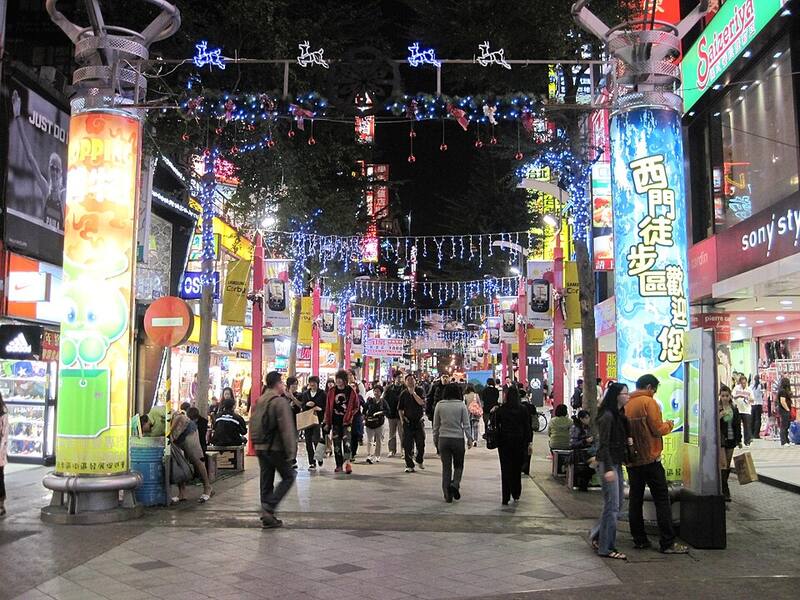
- 20:30Late bite and a walk in Ximending
- 22:30Back to the hotel
Ximending
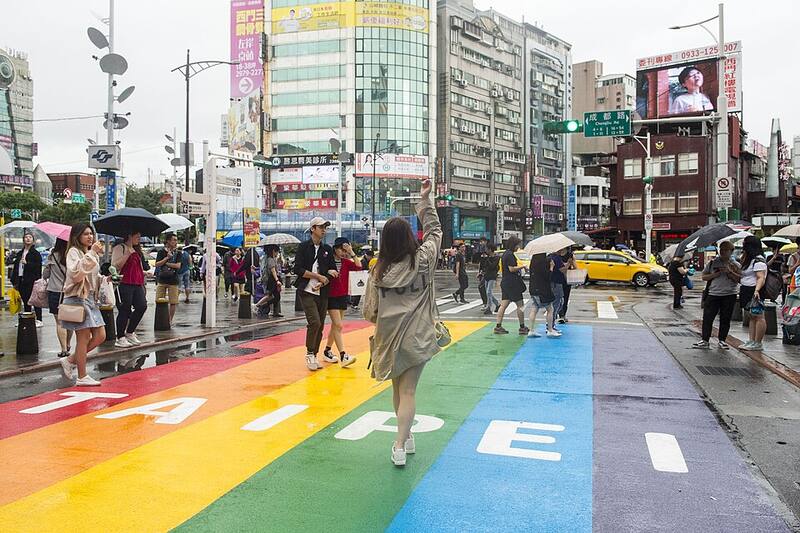
20:30–22:30Taipei's oldest youth shopping district: an entertainment strip since the Japanese era, now a pedestrian zone packed with fashion, snacks, cinemas and street performers. After a late landing it is the easiest place to eat and wander without going far.
Highlights
- Mostly pedestrian streets, liveliest after dark
- Old-school snack stalls, streetwear shops and small creative stores around the Red House
What to do
- Walk Zhonghua Rd and Chengdu Rd and graze: mian xian (vermicelli), beef noodles, street snacks
- Browse the Red House and its creative market
- Tired? The MRT back to the hotel is a short walk away
Day 2 · A full day in Taipei
Palace Museum → Dadaocheng → Elephant Mountain → Taipei 101
- 09:00Leave the hotel for Shilin station, then a bus to the Palace Museum
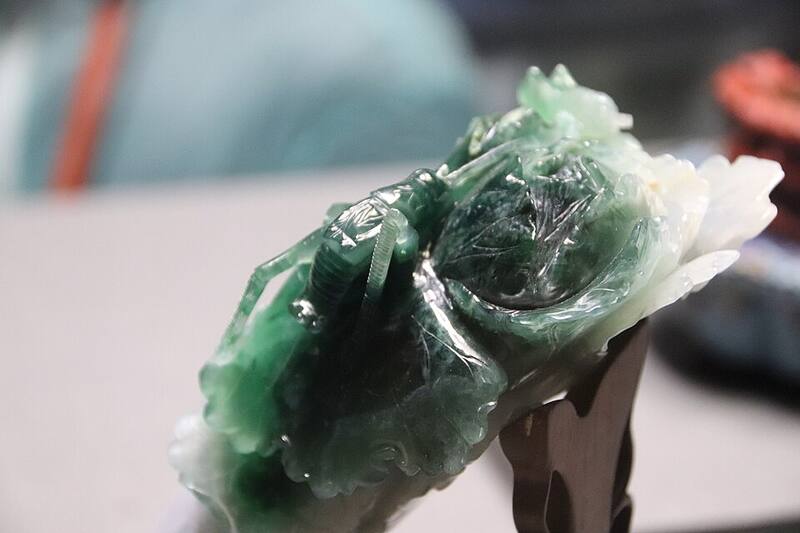
- 09:30National Palace Museum (with the Jadeite Cabbage and Meat-shaped Stone)
- 12:30Lunch
- 14:00MRT to Dadaocheng and Dihua Street
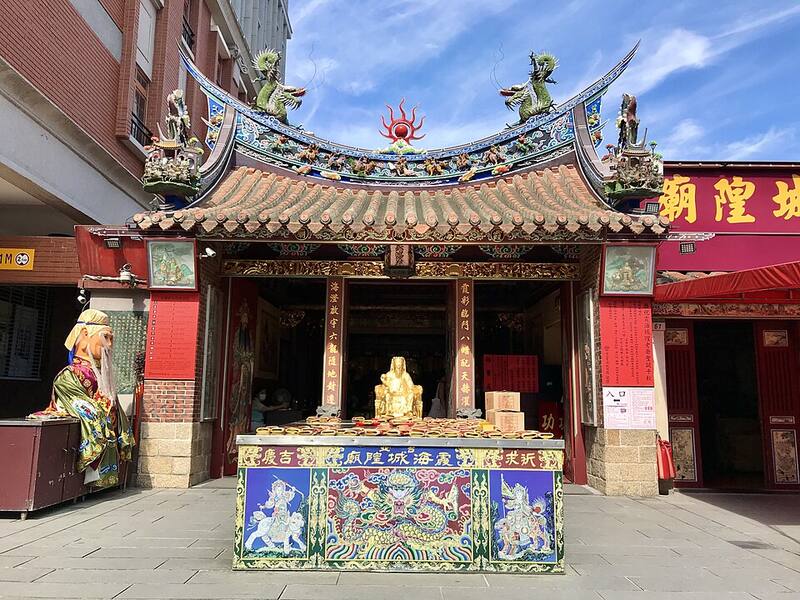
- 15:30Xiahai City God Temple
- 16:15MRT to Xiangshan station
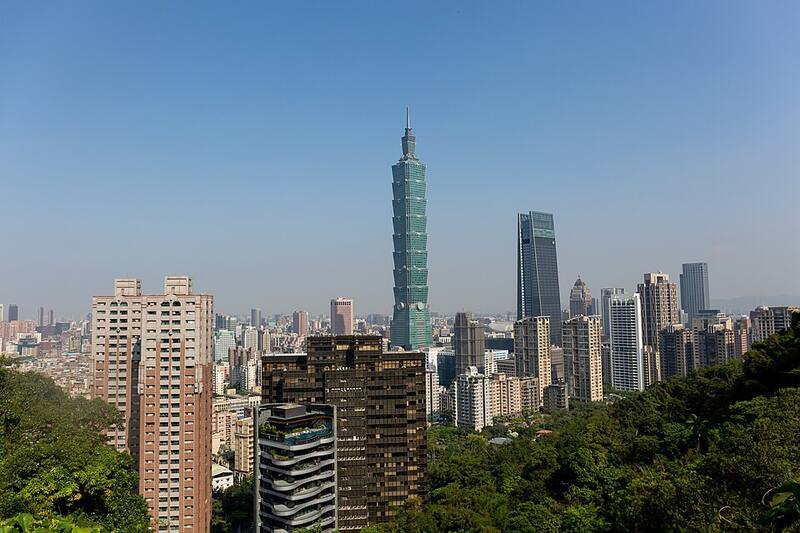
- 16:30Climb Elephant Mountain for sunset
- 18:00Come down; dinner and night photos around Taipei 101
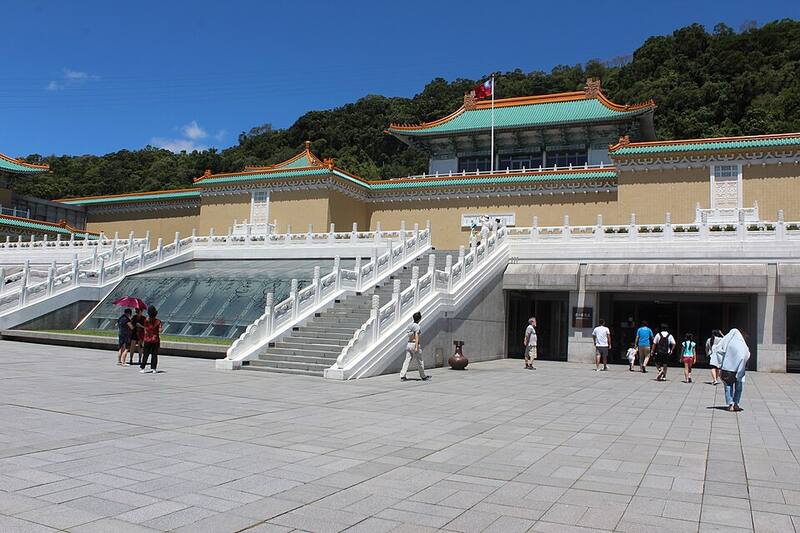
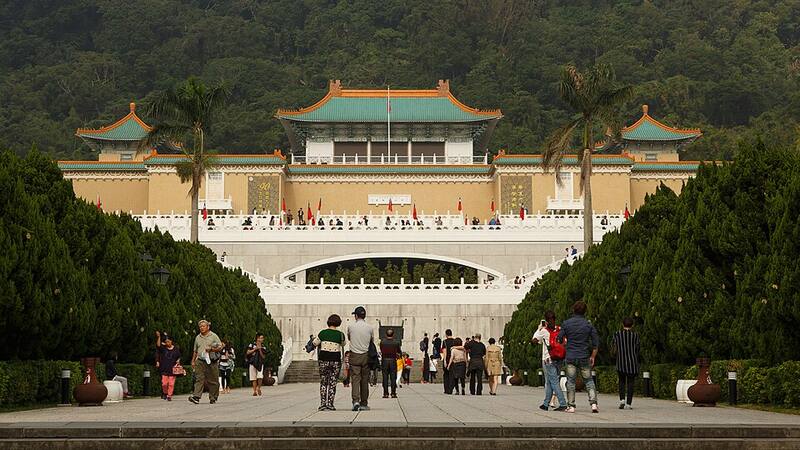
National Palace Museum
09:30–12:30Built on the imperial collection of the Qing court, with paintings, bronzes, jade and ceramics: one of the most important museums in the Chinese-speaking world. There is far more than one day can cover, so choose your targets.
Highlights
- Palace-style architecture at the foot of a hill; the building itself is worth a photo
- Paintings and calligraphy rotate, so a piece is not always on view
What to do
- Pick up the floor guide at the desk and go straight to the highlights
- Use the audio guide or the official app for commentary
- Rest in the seating areas when your feet give out
Jadeite Cabbage & Meat-shaped Stone
about 10:00–11:00 (inside the museum)The two most queued-for pieces. The Jadeite Cabbage is carved from one piece of half-white, half-green jade, with an insect perched on a leaf; the Meat-shaped Stone is natural banded agate, dyed so it looks like braised pork belly.
Highlights
- Both turn the stone’s natural colours into the design
- Small objects: you must reach the glass to see the detail
What to do
- Go early, before the crowds, and see these two first
- Look for the locust and katydid on the cabbage leaf
Dadaocheng · Dihua Street
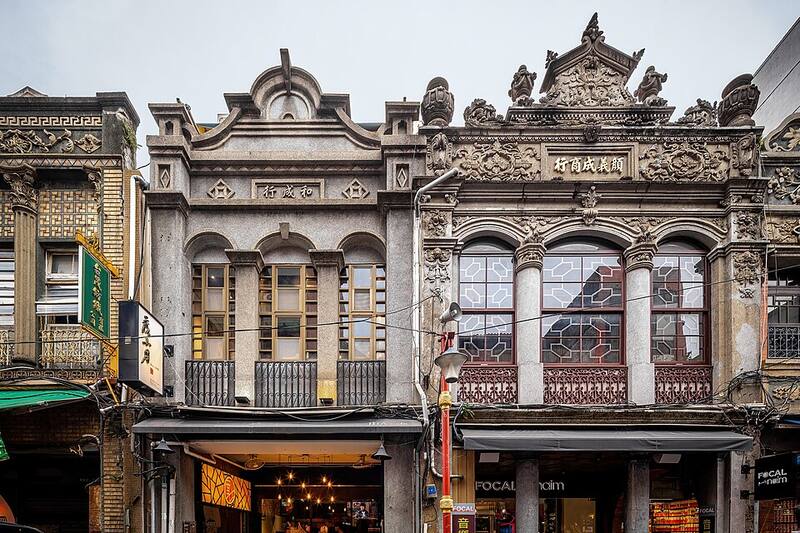
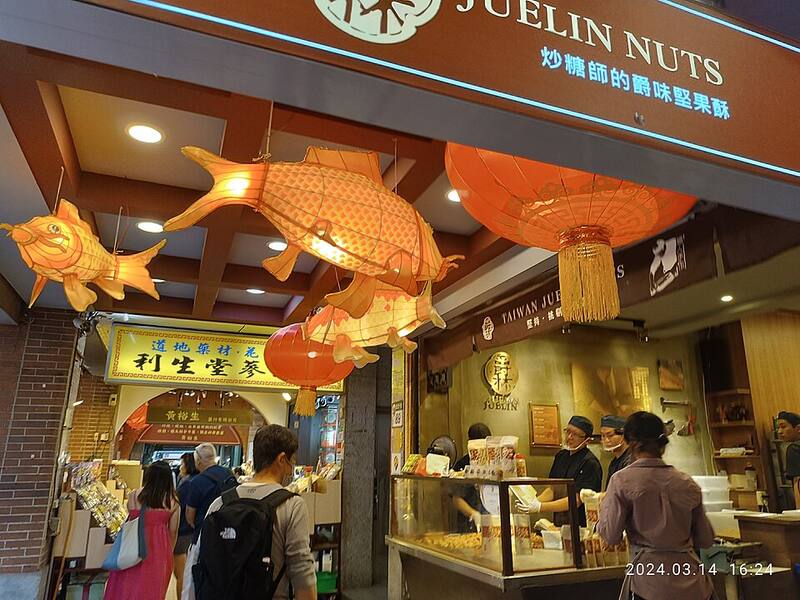
14:00–15:30The busiest trading port of old Taipei in the late Qing and Japanese periods. The shopfronts are well preserved today: dried goods, Chinese herbs, fabric and creative shops side by side.
Highlights
- Baroque-style old shophouse facades are the stars
- Best in the afternoon light
What to do
- Buy dried goods, tea and nuts as gifts
- Browse the fabric section of Yongle Market
- Rest in a cafe inside an old house
Xiahai City God Temple
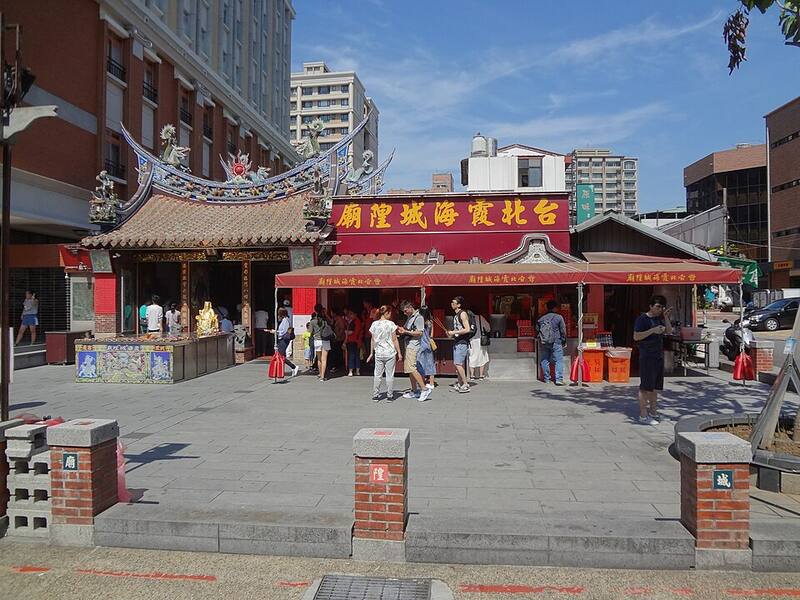
15:30–16:00A small temple tucked into Dihua Street. It enshrines the City God, but what draws the crowds is the Matchmaker God, making it one of Taipei’s best-known temples for love and marriage.
Highlights
- Small but busy, with finely carved eaves
- Customs: red thread and sweets, with a wish to the Matchmaker God
What to do
- Light incense and pay respects following the steps posted at the temple
- Take a red thread as a keepsake
Elephant Mountain Trail
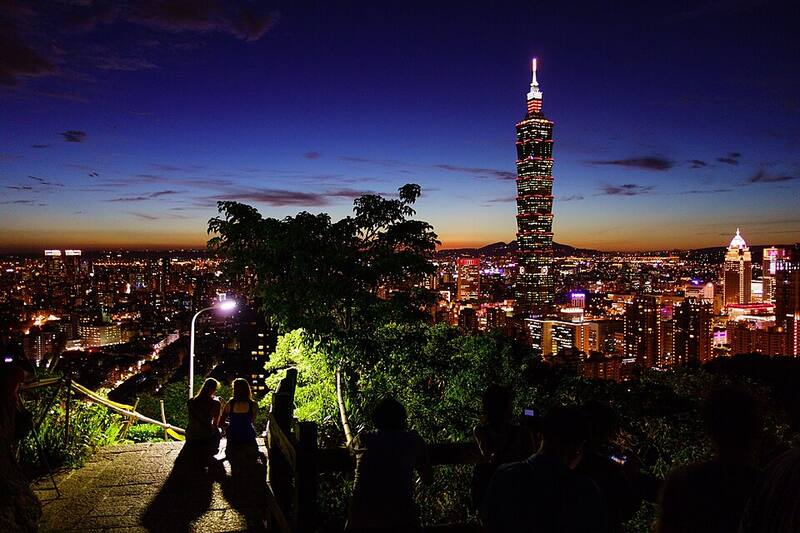
16:30–17:30The classic spot for photographing Taipei 101 at night. It is 20 to 30 minutes uphill from Xiangshan MRT station on steep stone steps, and the platforms at the top look over the whole Taipei basin.
Highlights
- Stone stairs, so watch your footing
- Best around sunset; many people go up to wait for dark
What to do
- Take in 101 and the night view from the “Six Giant Rocks” platform
- Bring a light jacket: it is windier up there
- Come down the same way, with a phone torch or flashlight
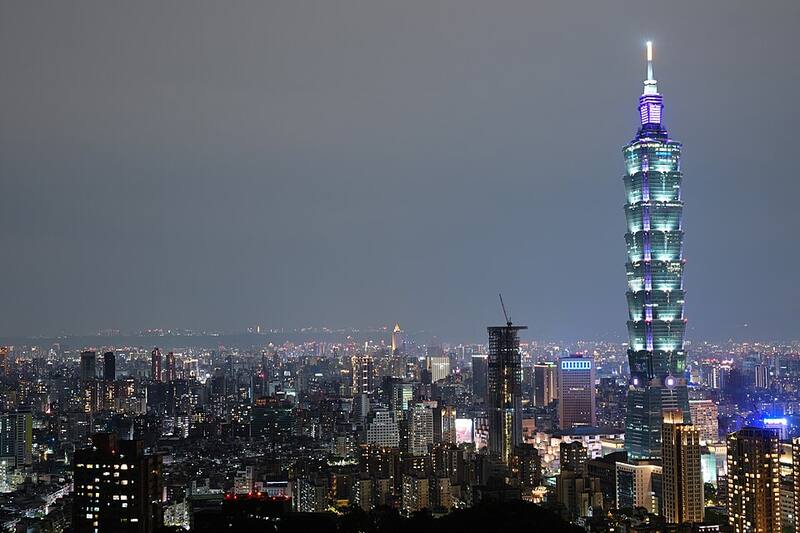
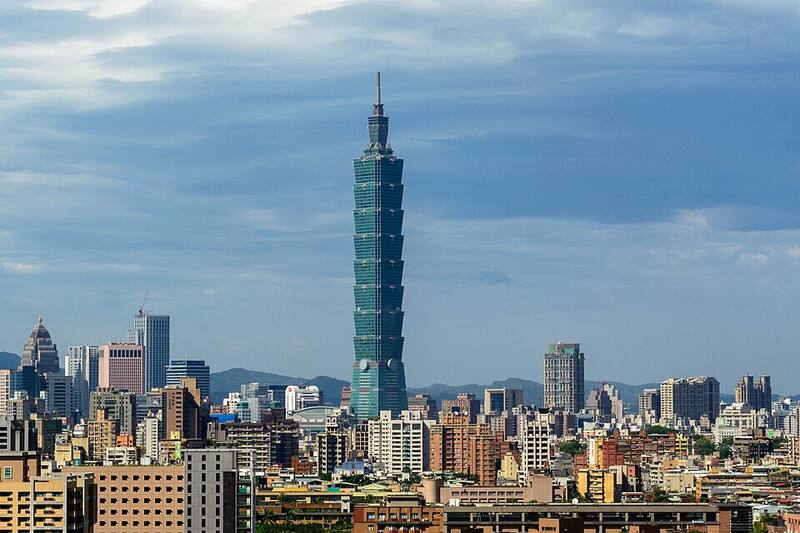
Taipei 101
18:00–20:00Once the tallest building in the world, shaped like bamboo segments, and Taipei’s landmark. You can go up to the observatory or just eat and shop in the mall at the base.
Highlights
- Many good angles: Elephant Mountain, the observatory, any street corner
- A tuned mass damper visible to visitors (subject to opening)
What to do
- Go up to the observatory for the night view; book ahead if you want to
- Eat in the mall; several long-established Taipei restaurants are nearby
- Shoot the night skyline from the plaza
Day 3 · High-speed rail to Taichung
Taipei → (HSR) → Taichung
- 08:30HSR from Taipei to Taichung (about 1 hour)
- 10:00Arrive; leave luggage at the station
- 10:30Rainbow Village (early means fewer people)
- 12:00Lunch
- 13:30Shenji New Village
- 15:30National Taiwan Museum of Fine Arts
- 17:30Check in at the hotel
- 18:30Feng Chia Night Market
Rainbow Village
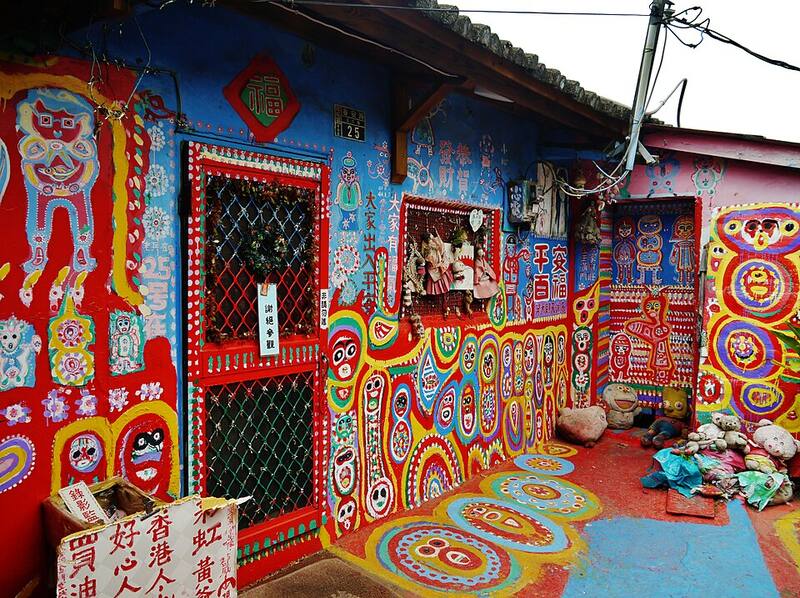
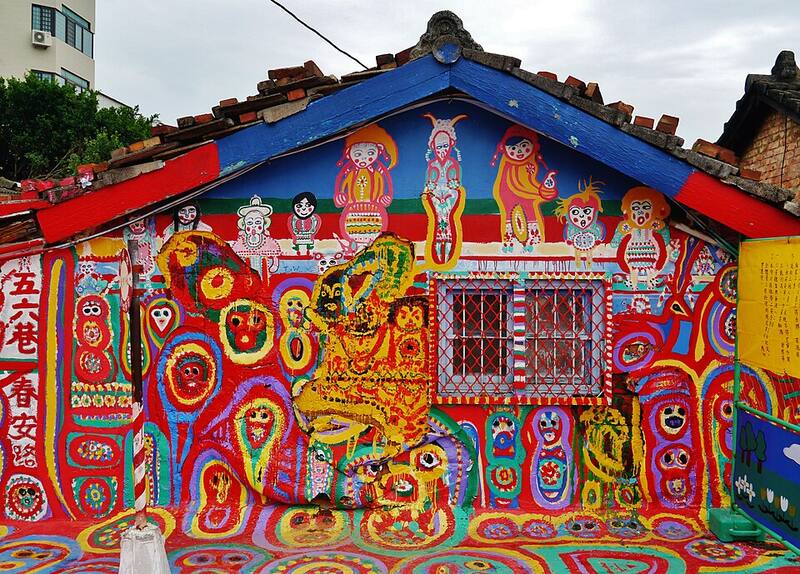
10:30–11:30When this military dependents’ village was about to be demolished, a retired veteran painted every wall and path in vivid colours, which saved it. It is now one of Taichung’s most photogenic spots.
Highlights
- A small village, 30 to 60 minutes is enough
- Figures, birds and animals in saturated colours
What to do
- Take photos; arrive early for fewer people and better light
- Buy small souvenirs from the shops inside
Shenji New Village
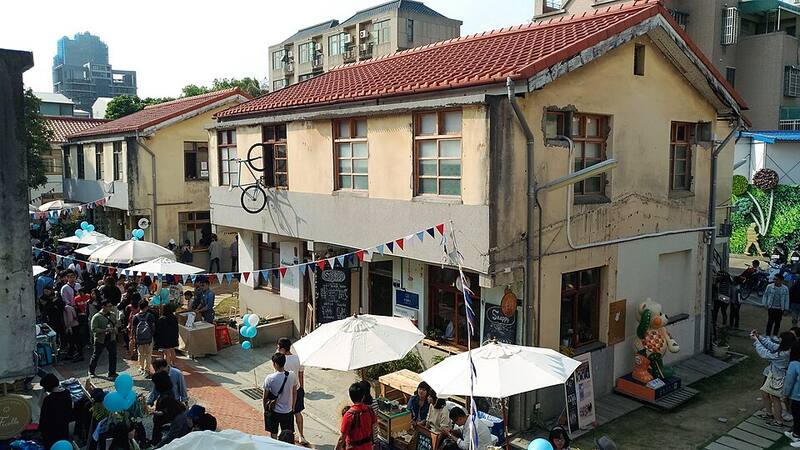
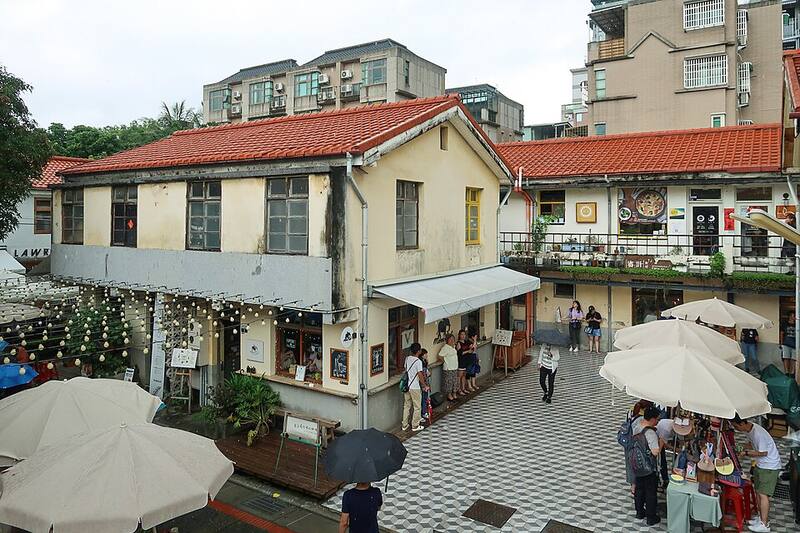
13:30–15:00Former civil-servant housing turned creative quarter, with cafes, small shops and craft studios in old houses, and markets at weekends.
Highlights
- A cluster of Japanese- and Western-style old houses on quiet lanes
- Mostly independently run shops with their own character
What to do
- Browse the shops and buy handmade goods
- Have coffee or dessert in an old house
- At weekends you may catch the market
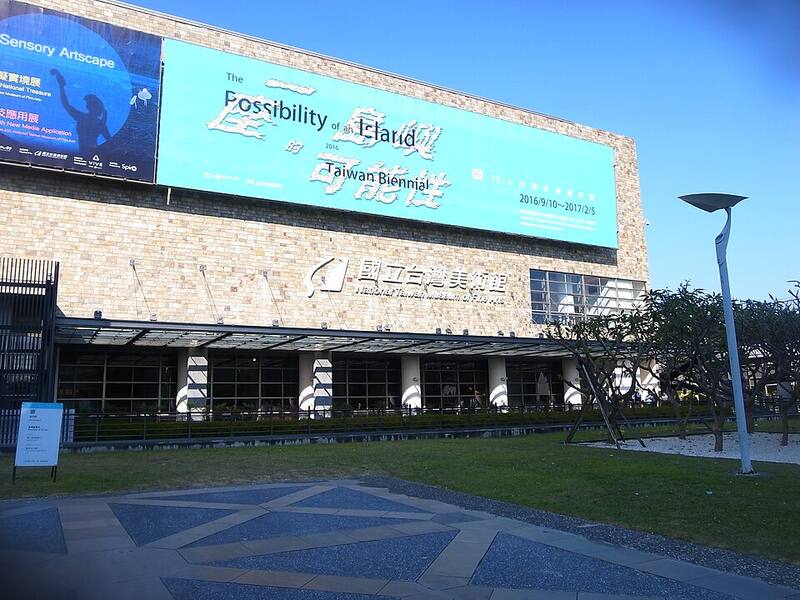
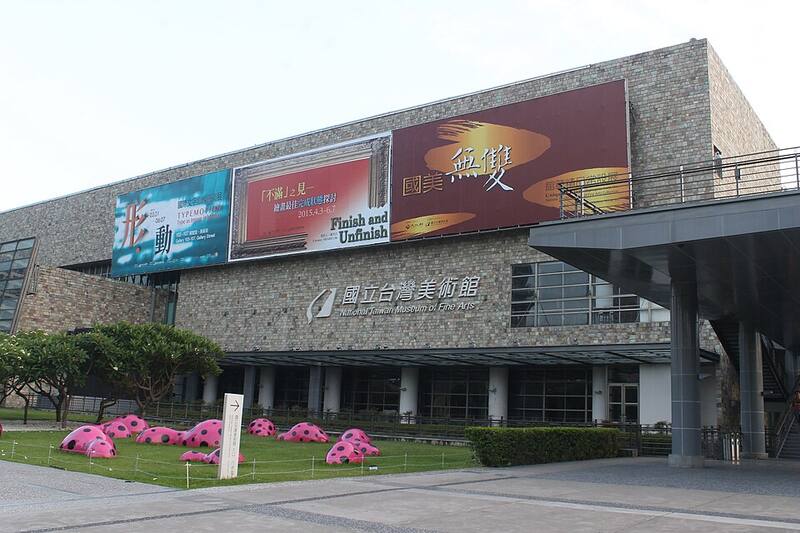
National Taiwan Museum of Fine Arts
15:30–17:00One of Taiwan’s few large public art museums, focused on Taiwanese contemporary art. The lawn in front is also where locals take a stroll.
Highlights
- The stone-clad building is good-looking in its own right
- Exhibitions change often; check what is on before you go
What to do
- See the current exhibition
- Walk between the lawns and outdoor installations
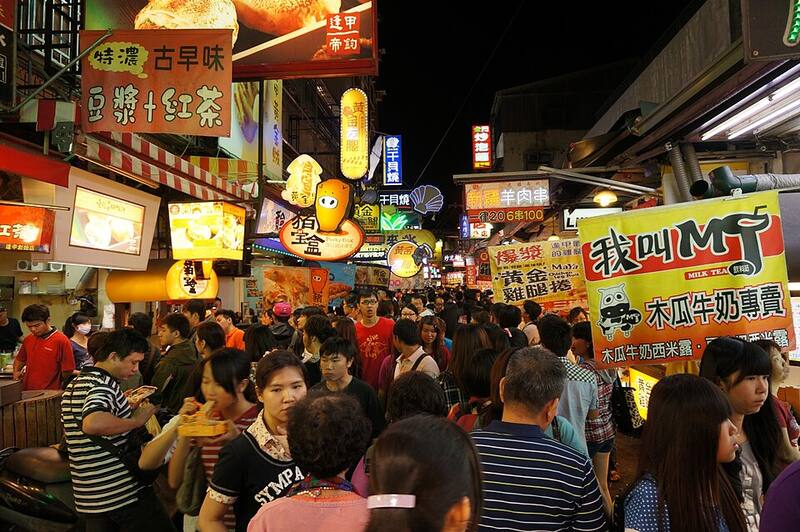
Feng Chia Night Market
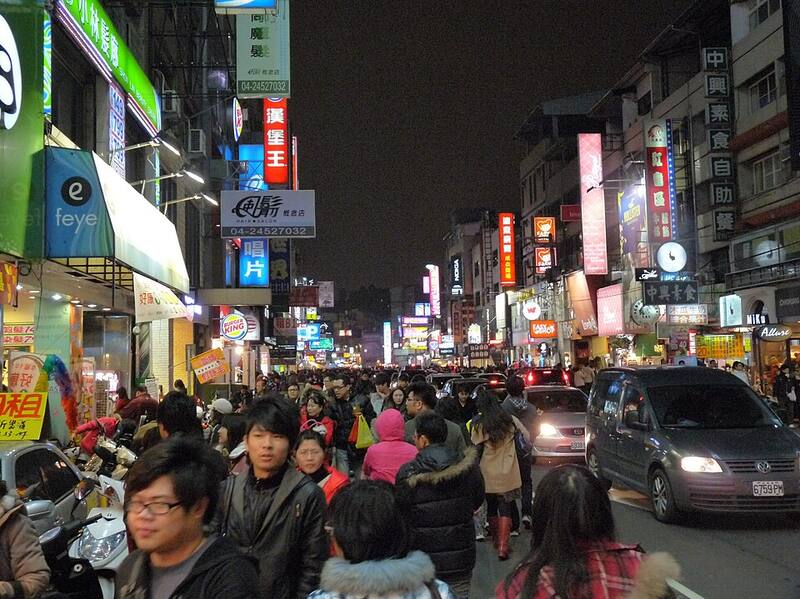
18:30–21:00One of the largest night markets in Taiwan, next to Feng Chia University, known for inventive snacks. Locals go too.
Highlights
- Many stalls with small portions, built for grazing
- Lots of new-style snacks that change often
What to do
- Walk a full loop before deciding what to eat
- Try a few Taichung-style snacks
- Pick up a drink or dessert to eat as you walk
Day 4 · Sun Moon Lake, then HSR to Tainan
Taichung → Sun Moon Lake → Taichung → (HSR) → Tainan
- 07:30Bus from Taichung HSR station to Sun Moon Lake (check the timetable first)
- 09:30Arrive at Shuishe Pier; buy boat tickets
- 10:00Xuanguang Temple
- 11:00Ita Thao; lunch
- 13:00Lake bus to Wenwu Temple
- 14:30Back to Shuishe; bus to Taichung HSR station
- 17:00HSR from Taichung to Tainan
- 18:30Check in at Tainan, dinner
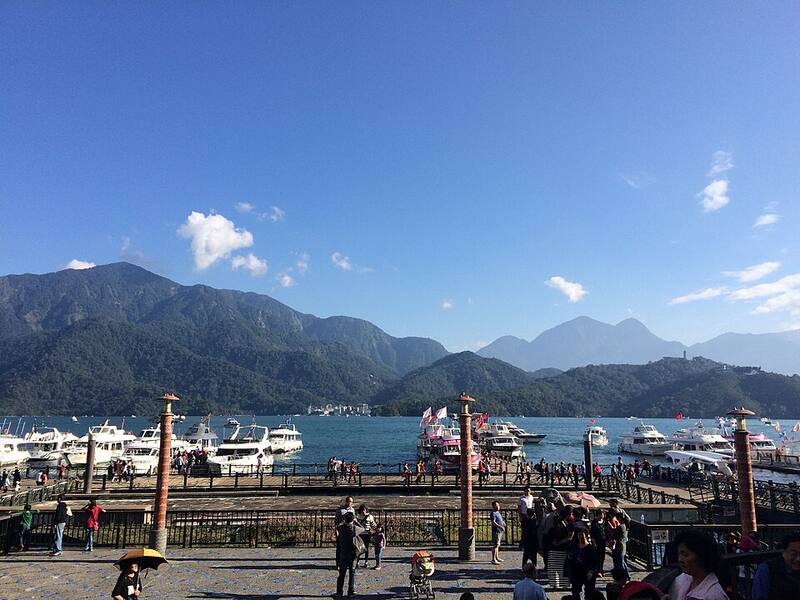
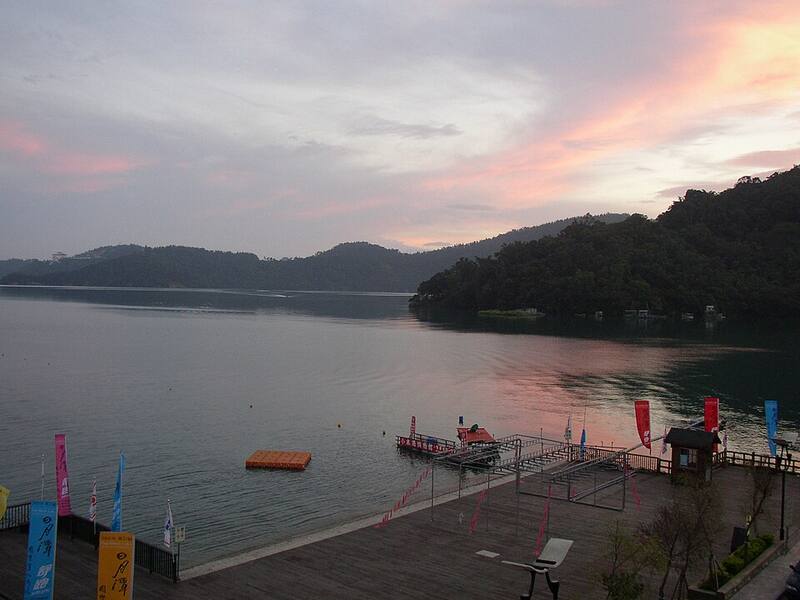
Sun Moon Lake
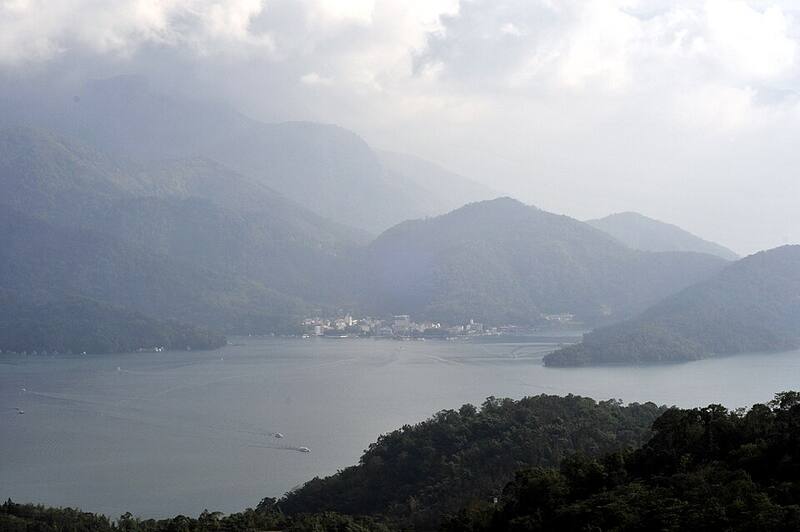
09:30–15:00 (including the three stops below)Taiwan’s largest natural lake, named for its shape: round like the sun on one side, a crescent like the moon on the other. The Thao people have lived here for generations. The water shifts between blue and green with the weather and the hour.
Highlights
- Ringed by mountains, often misty in the morning
- Boats, shuttle buses and a lakeside cycle path
What to do
- Take the boat around the lake, getting on and off at piers
- Cycle a stretch of the lakeside path
- Snack on the Shuishe pier
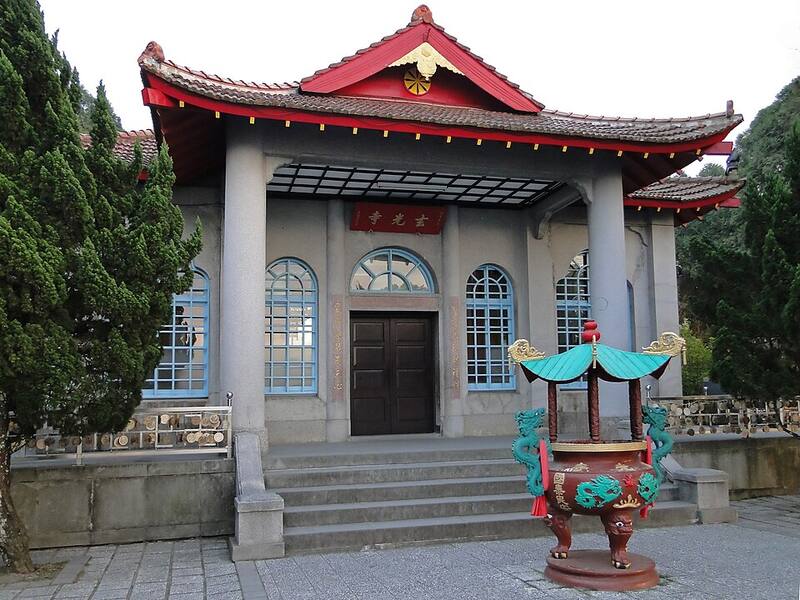
Xuanguang Temple
10:00–11:00A small temple by the water that once housed the relics of the monk Xuanzang, later moved elsewhere. The walk up from the pier gives a clear view of the lake.
Highlights
- Small, but with a good position and open views of lake and mountains
- A short path beside it leads to a higher viewpoint
What to do
- Photograph the lake from the terrace
- Look at the temple’s furnishings
- Walk the path a little further up
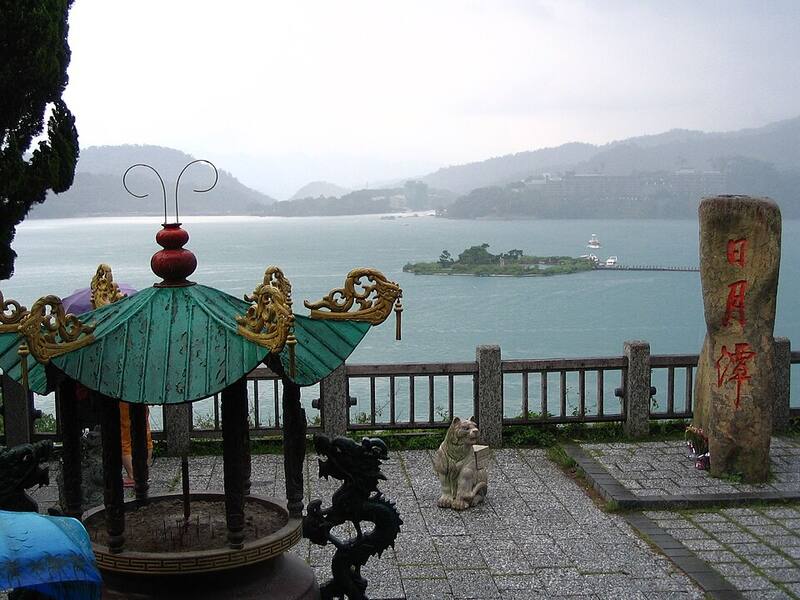
Ita Thao
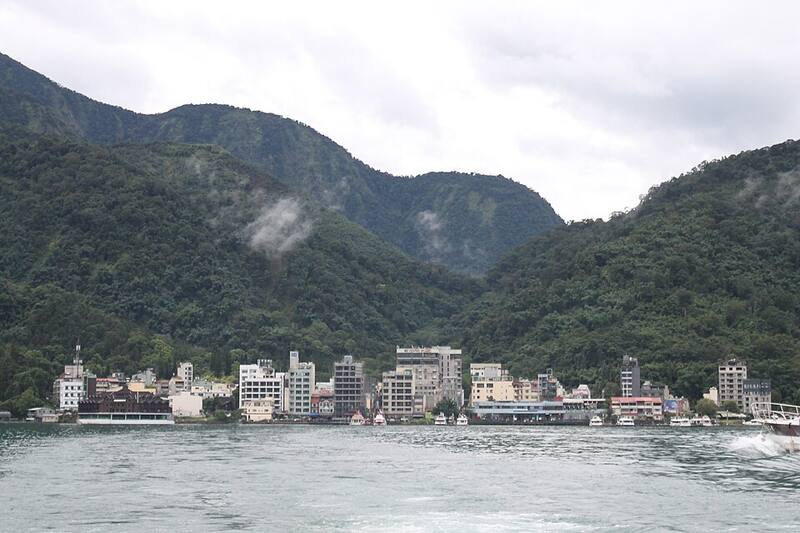
11:00–12:30A Thao village. Around the pier are snack stalls and handicraft shops, the easiest place on the lake to meet indigenous culture.
Highlights
- Crowded at the pier, quiet just a little further in
- Thao patterns and handmade crafts on display
What to do
- Try indigenous-style snacks
- Buy handmade souvenirs
- Watch the boats come and go
Wenwu Temple
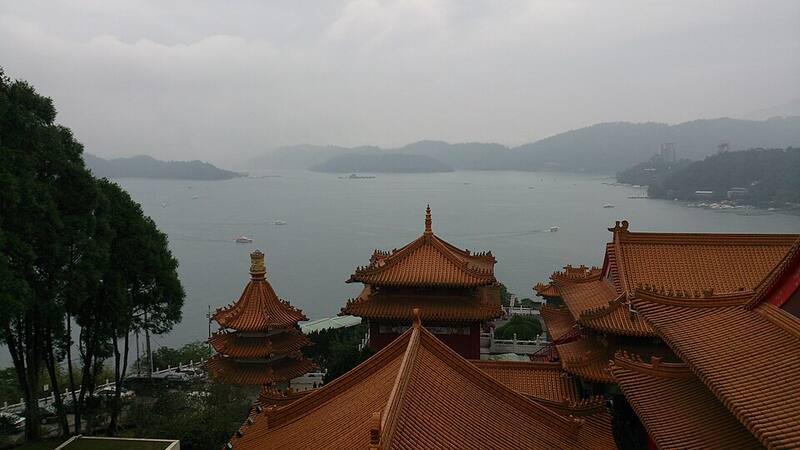
13:00–14:30A large temple complex built up the hillside above the lake, dedicated to Guan Yu and Confucius. It is not at a boat pier: take the lake bus from Shuishe or cycle there, because the boat will not drop you at the door.
Highlights
- A big complex with a high vantage point
- The guardian lions and the painted halls reward a closer look
What to do
- Climb to the top hall for the lake view
- Photograph the whole temple with the lake behind
- Browse the stalls in the courtyard
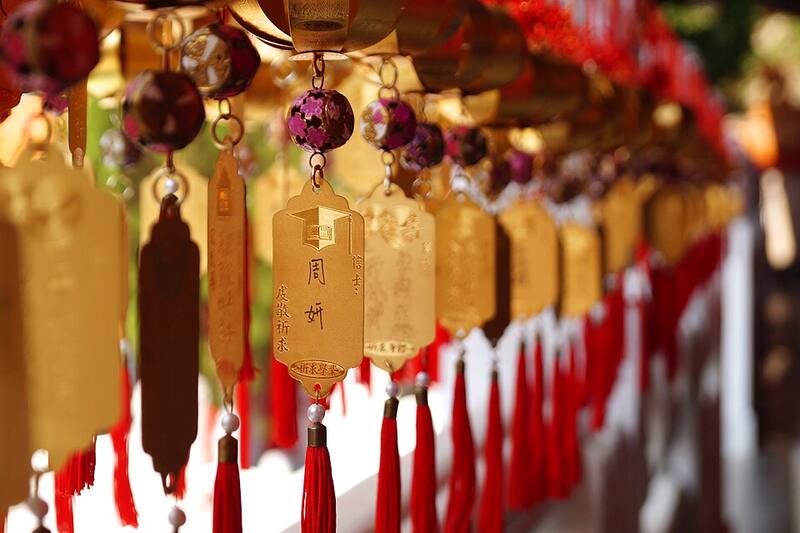
This is the tightest day of the first half: a round trip to the lake plus a late HSR to Tainan, and you reach the hotel late. To ease it, skip the lake and give the day to Taichung itself; then there is no train to catch at night.
Day 5 · Tainan, then Kaohsiung in the evening
Tainan → (TRA / HSR) → Kaohsiung
- 08:30Chihkan Tower
- 10:00Official Wu Temple
- 10:40Grand Mazu Temple
- 11:30Shennong Street; lunch
- 13:30Bus to Anping
- 14:00Anping Fort
- 15:15Anping Tree House
- 16:00Tait & Co. Merchant House
- 17:00Back to Tainan station; train to Kaohsiung
- 18:00Check in at Kaohsiung and drop bags
- 19:00Pier-2 Art Center
- 20:00Liuhe Night Market
Chihkan Tower
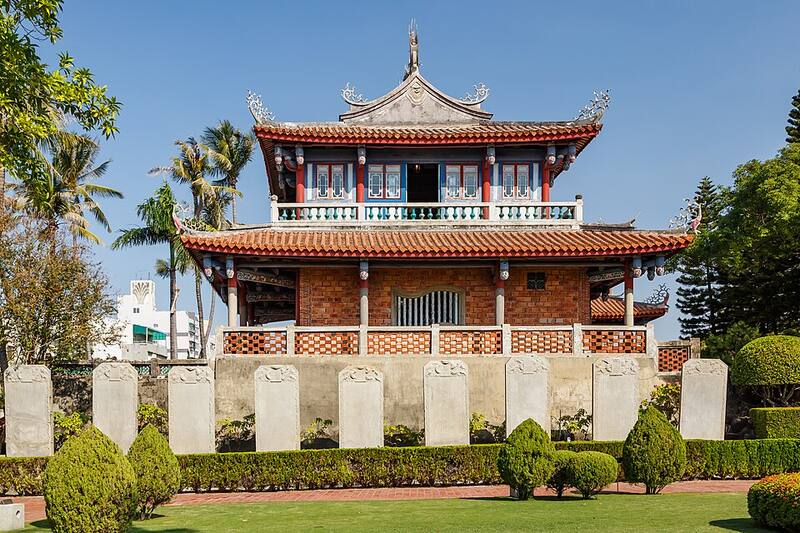
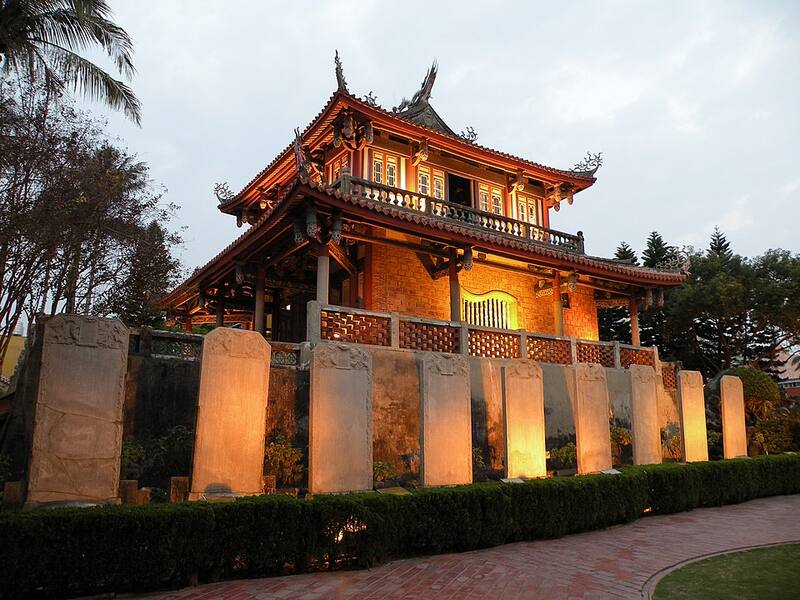
08:30–09:30The site of Fort Provintia, built by the Dutch in Tainan, later rebuilt under the Zheng and Qing periods. The Chinese-style towers you see today were added in the Qing dynasty.
Highlights
- Stone steles, the old fort base and the towers, from different eras stacked together
- Quiet in the morning, with good light
What to do
- Photograph the towers and steles
- Look at the remains of the Dutch-era walls
- Stroll the small gardens
Official Wu Temple
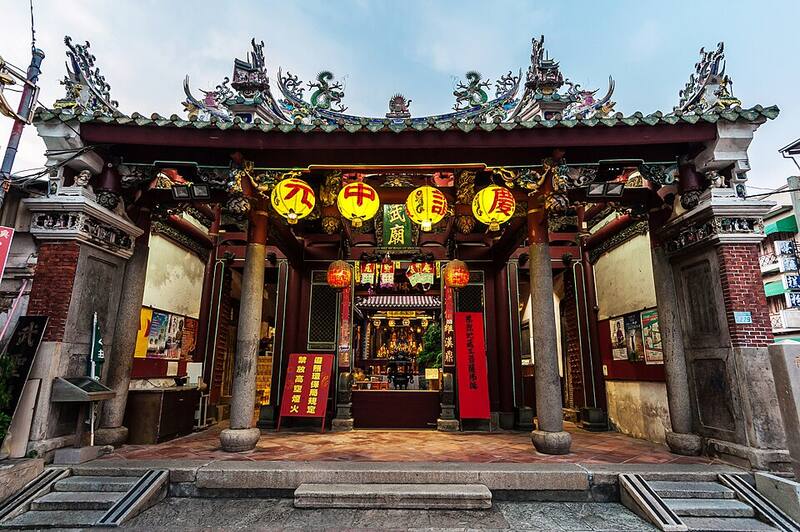
10:00–10:40Tainan’s oldest officially sanctioned temple of Guan Yu, known as the “Great Guandi Temple”. Its most famous item is the plaque reading “A Real Man” (大丈夫).
Highlights
- An old state-sanctioned temple with orderly layout
- Plaques and couplets with a long history
What to do
- See the “A Real Man” plaque
- Pay respects to Guan Yu following the route posted inside
- Walk through the lane beside it to the Grand Mazu Temple
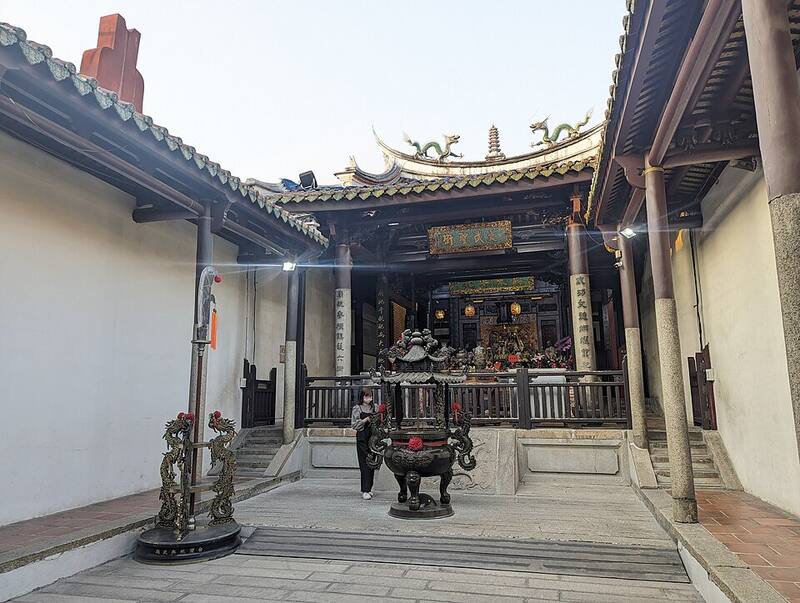
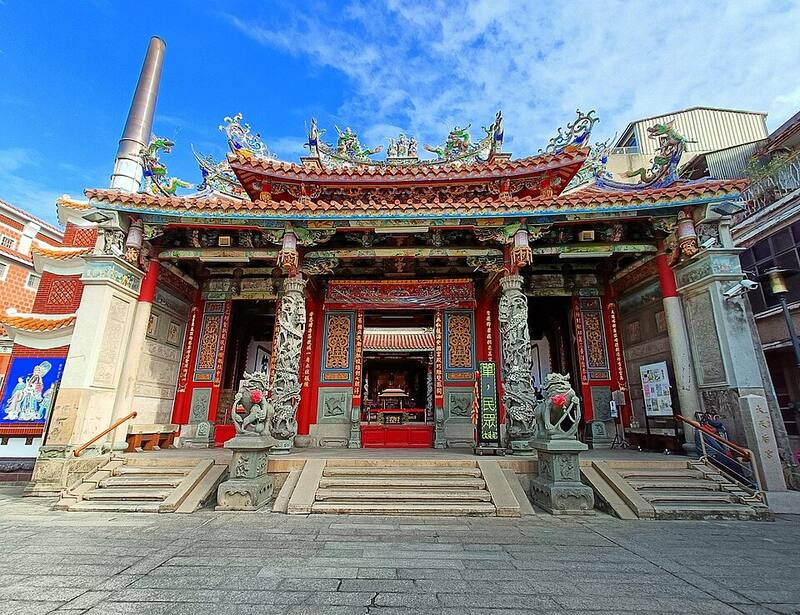
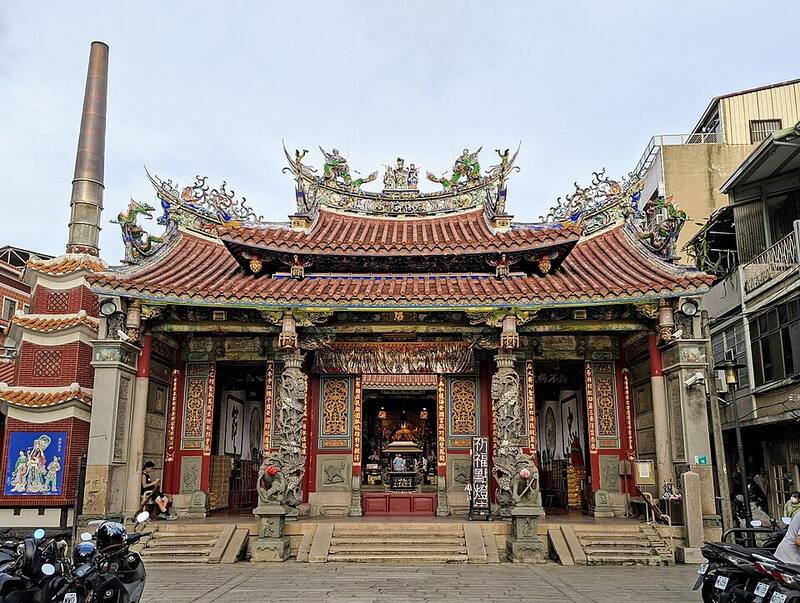
Grand Mazu Temple
10:40–11:20One of Taiwan’s oldest Mazu temples, once the residence of the Ming prince Zhu Shugui, later converted into a temple. It is among the first Mazu temples to receive official worship in Taiwan.
Highlights
- Keeps the layout from the Zheng period
- Busy with worshippers
What to do
- Admire the carved beams and painted ceilings of the main hall
- Walk the temple once to feel Tainan’s temple culture
Shennong Street
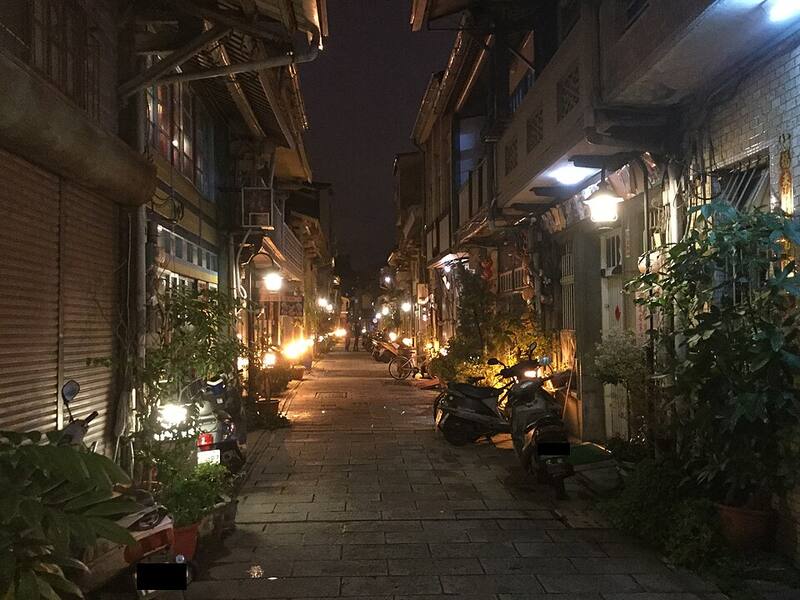
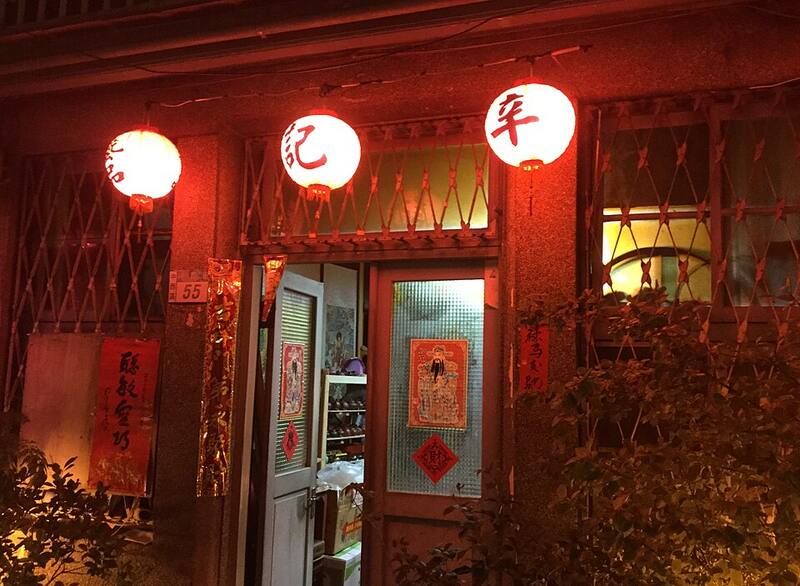
11:30–13:00An old street that keeps its Qing-dynasty shophouse facades. At night the lamps make it better than by day, with small shops, cafes and bars along it.
Highlights
- Narrow lanes of red brick and wooden doors
- Quiet by day, atmospheric once the lanterns are lit
What to do
- Lunch on Tainan snacks nearby
- Browse the small shops
- Come back at night for the lanterns
Anping Fort
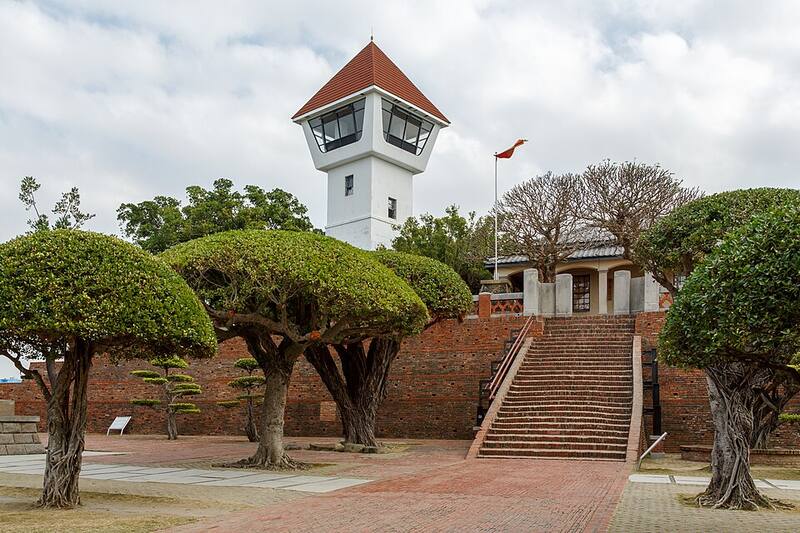
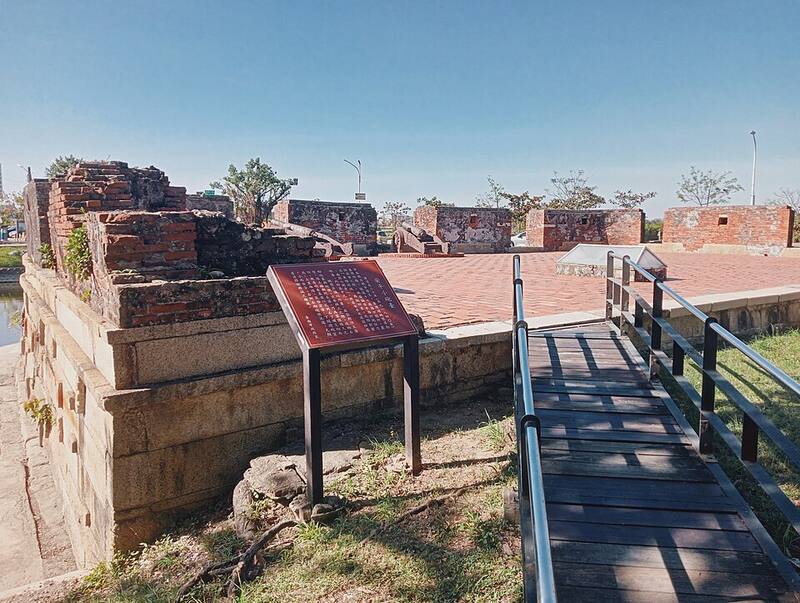
14:00–15:00The Dutch Fort Zeelandia, one of Taiwan’s earliest fortresses. The remains and the exhibition hall tell the story of Dutch rule; the white watchtower is not original to the Dutch period.
Highlights
- Red brick walls, cannons and old banyans
- Climb the tower for a view over Anping
What to do
- Visit the exhibits on the Dutch period
- Study the brickwork on the old walls
- Walk on to the Tree House and Tait & Co.
Anping Tree House
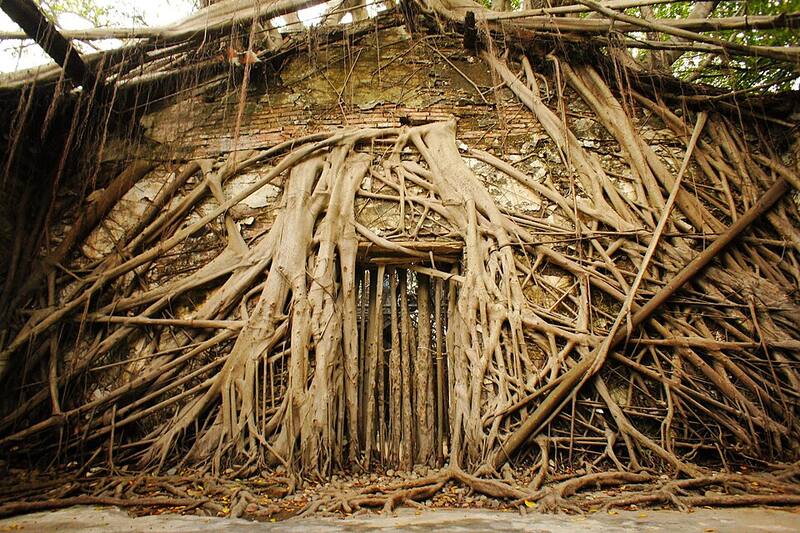
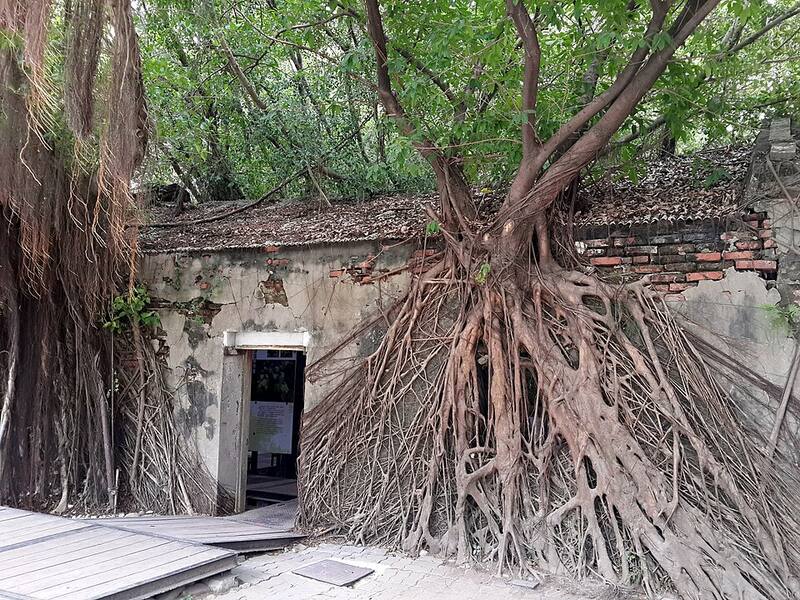
15:15–16:00A former warehouse of Tait & Co., abandoned and then swallowed by banyan roots that split the walls and roof. It is Anping’s most famous oddity.
Highlights
- Roots hang from the roof to the ground, wrapping the entire building
- A wooden walkway puts the roots overhead and at your side
What to do
- Walk the walkway room by room
- Photograph the roots against the red brick
Tait & Co. Merchant House
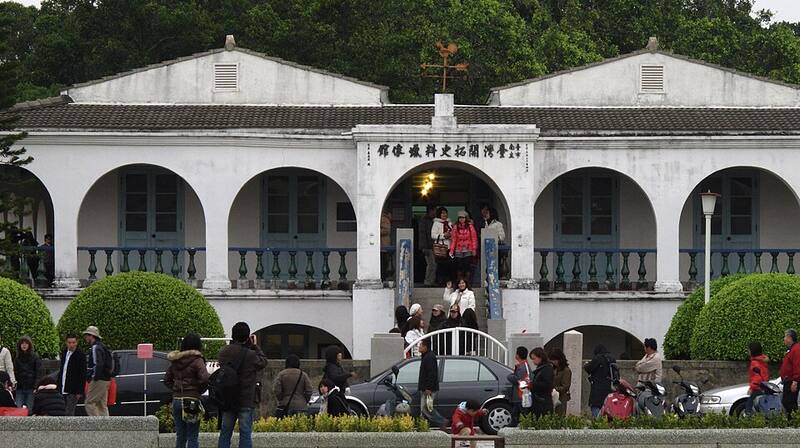
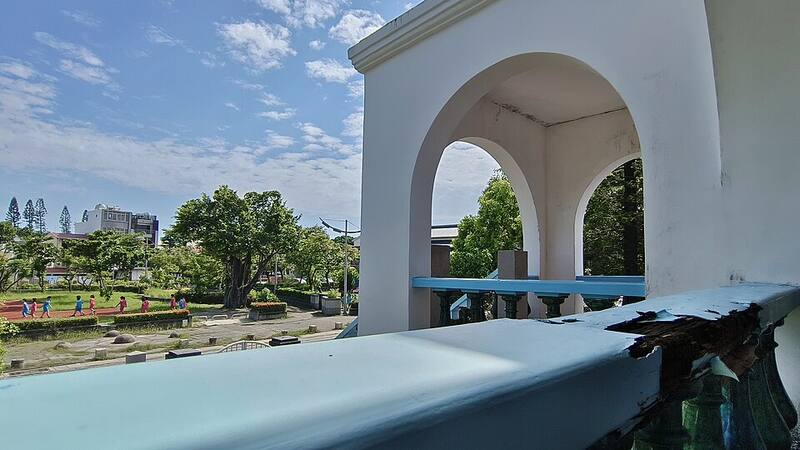
16:00–16:30The former site of a British trading house from the late Qing, a building with white arcades, now a museum about Anping’s trade and merchant houses.
Highlights
- The white arcade is the photo spot
- Right next to the Tree House, so easy to combine
What to do
- See the exhibition on Anping trade history
- Take photos in the arcade
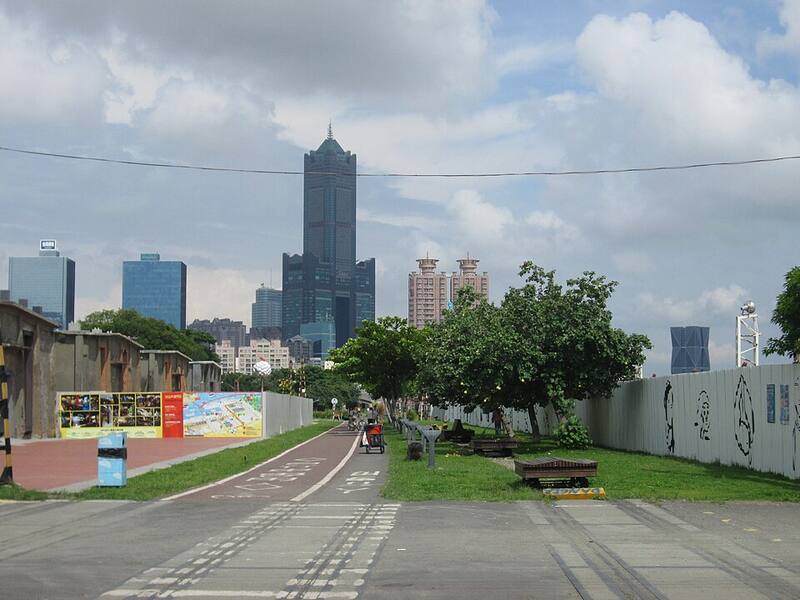
Pier-2 Art Center
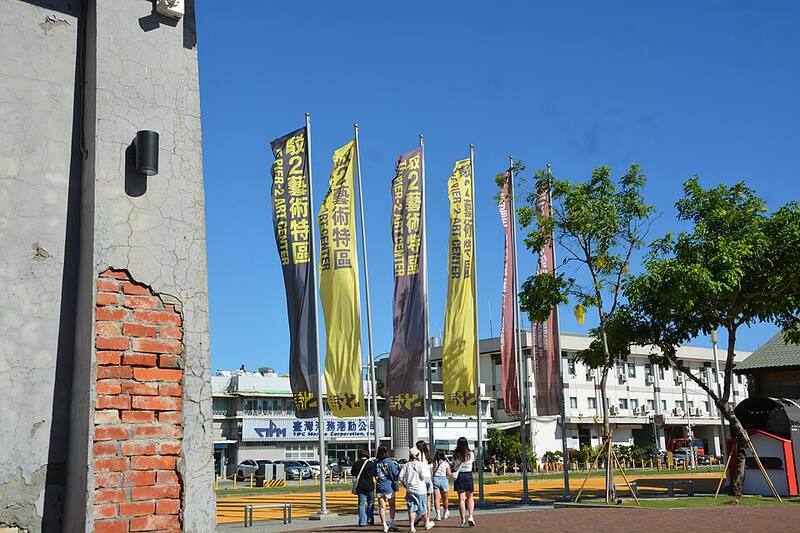
19:00–20:00An arts district made from old warehouses and docks, with large outdoor installations, exhibition spaces, nice lighting at night and a cycle path around it.
Highlights
- Red-brick warehouses, rail tracks and art installations mixed together
- At night the lights and skyline suit a stroll
What to do
- See an exhibition
- Walk the park and look for installations to photograph
- Rent a bike to ride around
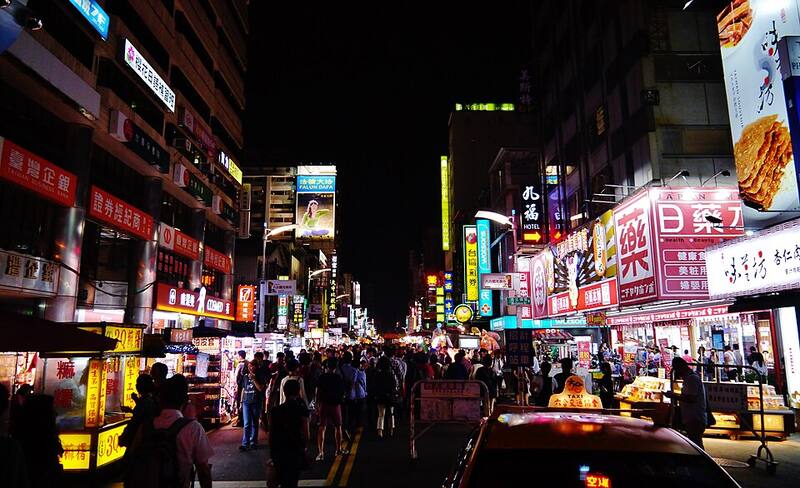
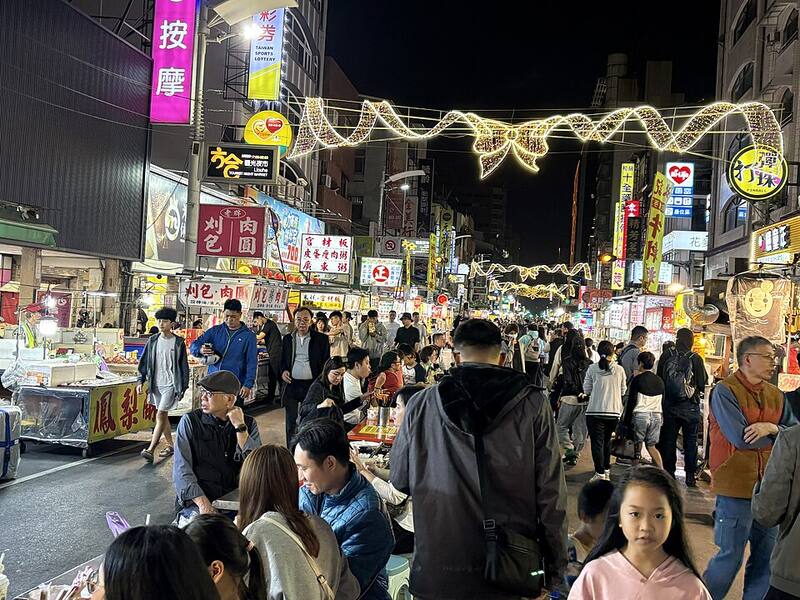
Liuhe Night Market
20:00–21:30One of Kaohsiung’s oldest tourist night markets, next to Formosa Boulevard station, with seafood, papaya milk and Tainan-style snacks.
Highlights
- Compact: one street covers it
- Many stalls cater to tourists, but the food is solid
What to do
- Try seafood and papaya milk
- Order a few small dishes rather than one big meal
- Take the MRT back to the hotel when done
Second half · self-drive (south → east coast → Taipei)
From the pick-up in Kaohsiung to the drop-off in Taipei or at Taoyuan Airport. The route is a counter-clockwise arc: the Pingeh coast road to Kenting, the South-Link Highway over the Central Mountain Range to Taitung, then north up the east coast, and finally the Suhua Improvement Highway and the Hsuehshan Tunnel back to Taipei. Four days of driving is not short, so each day has a buffer.
Day 6 · Kaohsiung → Kenting → Taitung
Pick up car in Kaohsiung → Pingeh Highway → Kenting → South-Link Highway → Taitung
- 08:00Pick up the car in Kaohsiung (ask what time the branch opens)
- 08:15Set off along the Pingeh Highway
- 10:15Baisha Bay
- 11:00Eluanbi Lighthouse
- 12:15Longpan Grassland
- 13:00Lunch (Hengchun)
- 14:15Leave Hengchun on the South-Link Highway to Taitung
- 17:15Arrive in Taitung and check in
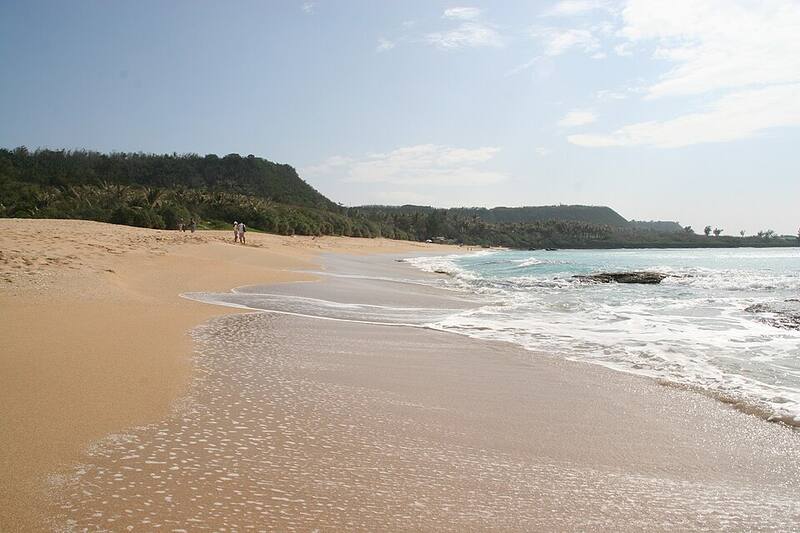
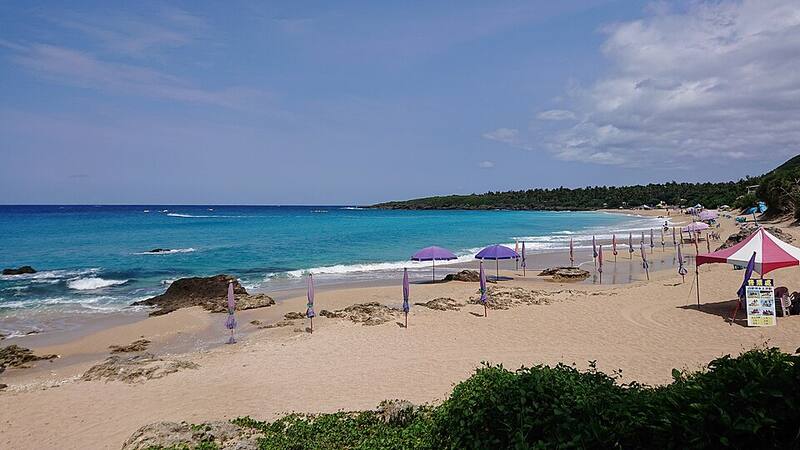
Baisha Bay
10:15–11:00A beach just north of Kenting with fine sand and clear water, one of the area’s most popular.
Highlights
- Fine sand and clear water when the surf is calm
- Easy parking, good for a short stop
What to do
- Walk the beach and take photos
- Wade in the water (cool in November, weather permitting)
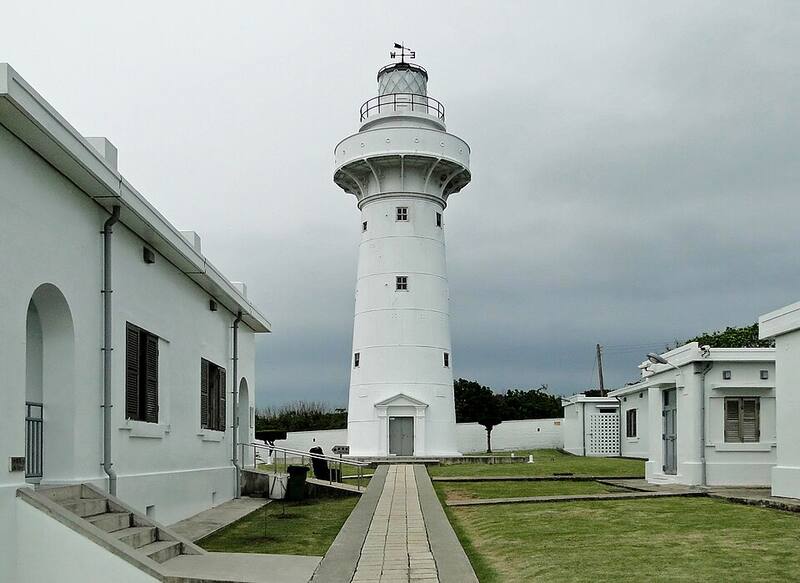
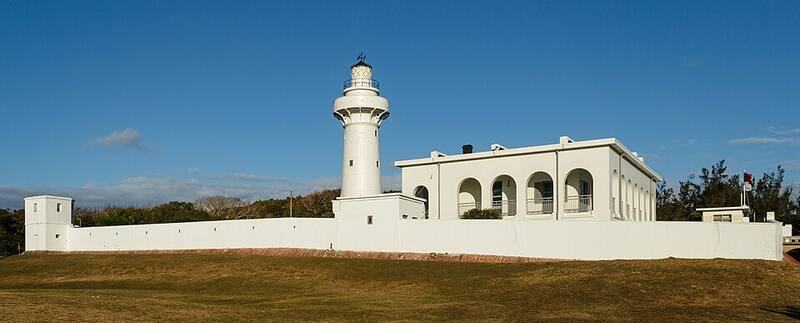
Eluanbi Lighthouse
11:00–12:00The lighthouse at the southern tip of mainland Taiwan: a white tower standing on grass, with a path through coral-reef terrain around it.
Highlights
- White tower against green lawn
- Flat paths; a full loop is easy
What to do
- Walk around the tower and take photos
- Follow the park path for sea views
- Buy souvenirs
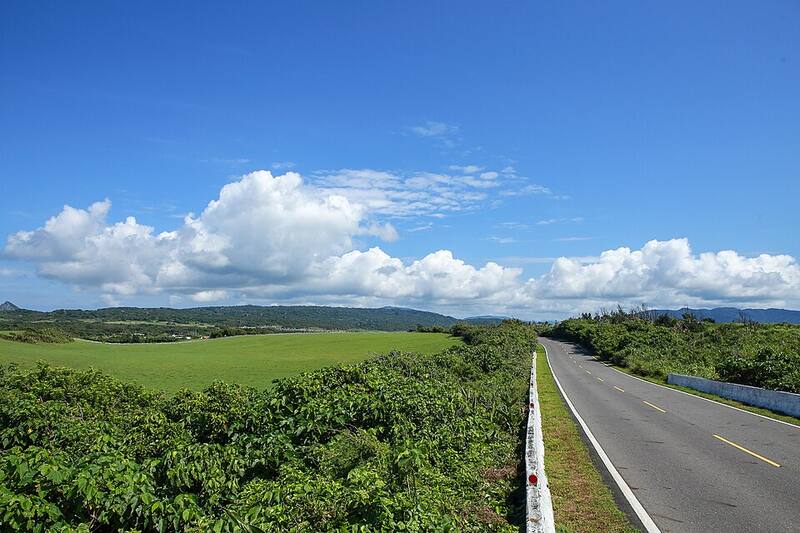
Longpan Grassland
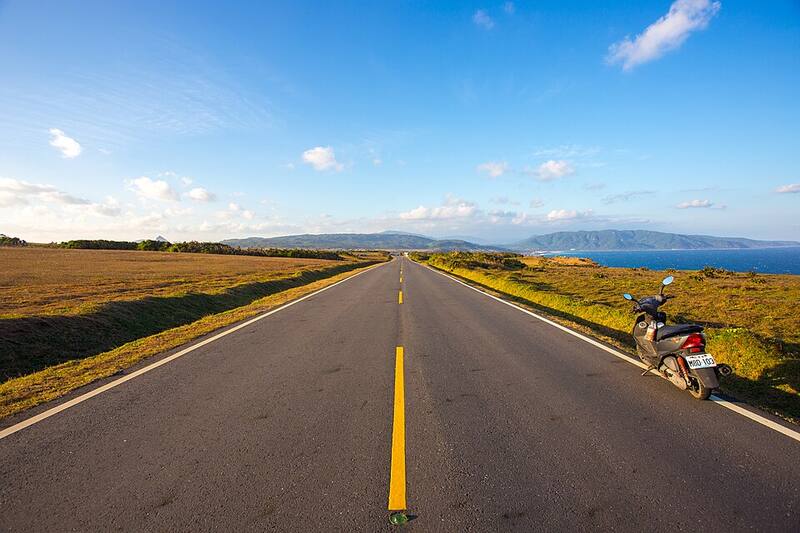
12:15–13:00An open grassland on the east side of the Hengchun Peninsula: the Pacific on one side, rolling grass on the other, a good place to stop and look at the sea.
Highlights
- A horizon of sea and sky, and a strong wind
- Nothing tall to block the view
What to do
- Pull over by the road and look out over the Pacific
- Photograph the grassland and the road
- Hold on to your hat in the wind
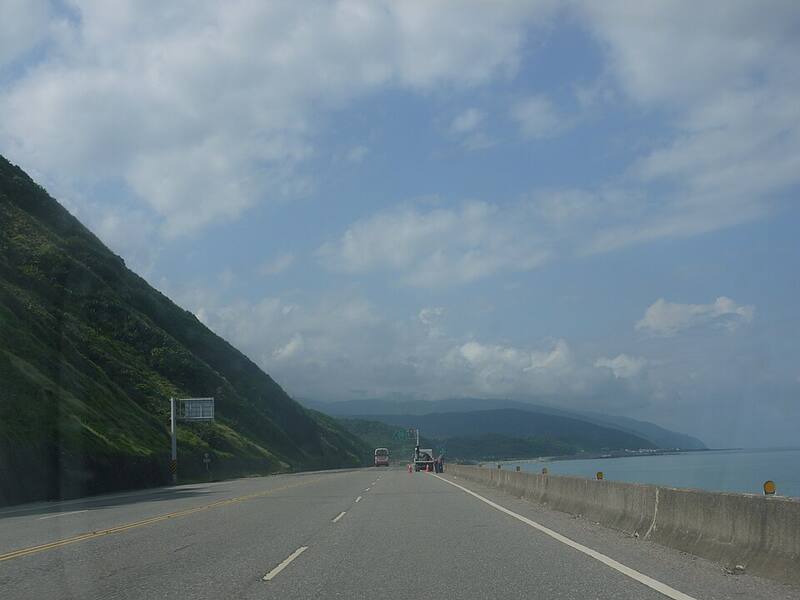
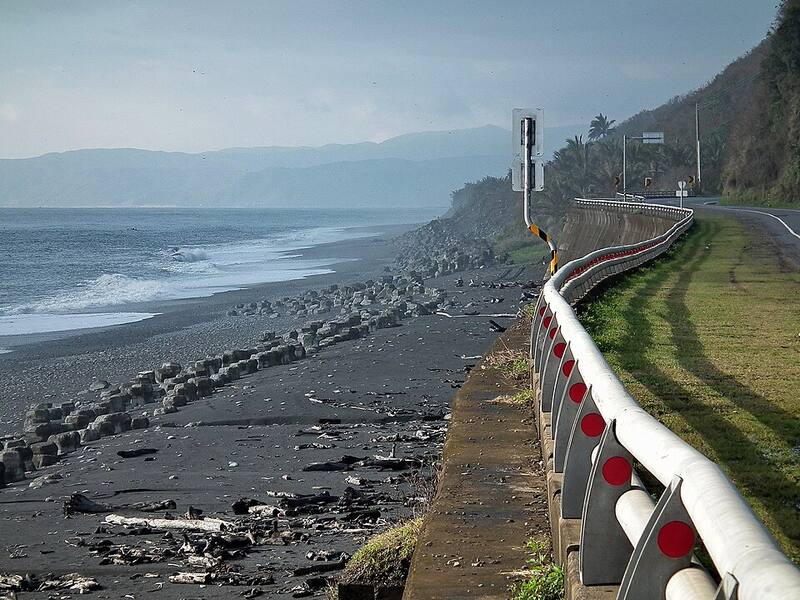
South-Link Highway
14:15–17:15 (along the route)The road that crosses the southern end of the Central Mountain Range, linking Pingtung and Taitung, with mountains and sea alternating.
Highlights
- Many bends and steep sections: the stretch that needs the most concentration all day
- Viewpoints along the way where you can stop to look at the sea
What to do
- Drive through, watching mountains and sea trade places
- Make short stops at viewpoints depending on weather and energy
- Finish this section before dark
Day 7 · Taitung → Hualien (Highway 11)
Taitung → Sanxiantai → Changhong Bridge → Shitiping → Hualien
- 08:30Leave Taitung; fill the tank before you go
- 09:30Sanxiantai
- 11:30Changhong Bridge
- 12:00Shitiping; lunch around Fengbin fishing harbour
- 14:00Drive on to Hualien
- 16:30Arrive in Hualien and check in
- 18:00Dinner, and the night market
Sanxiantai
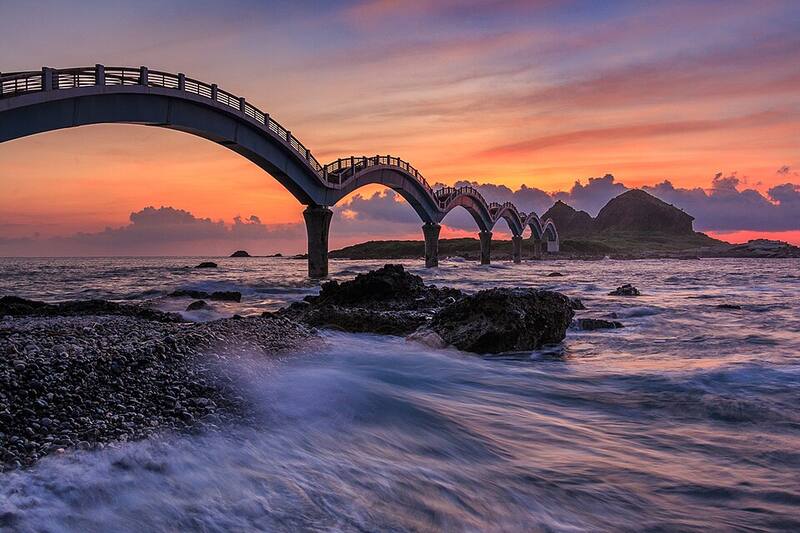
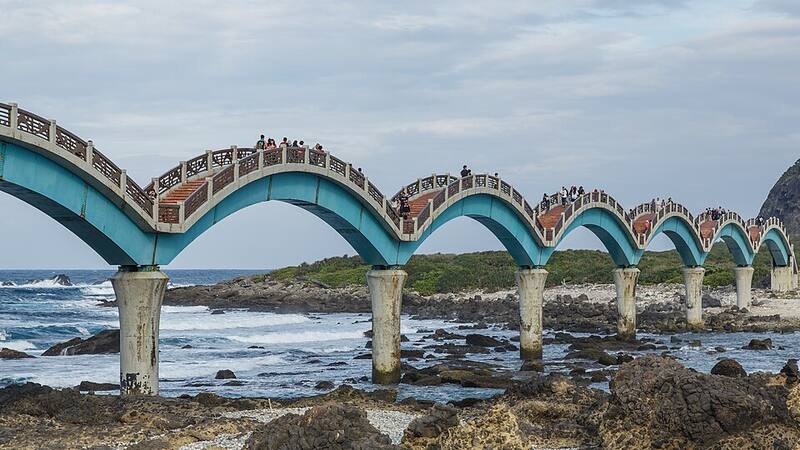
09:30–10:30A small island off the Chenggong coast in Taitung, joined to the shore by an eight-arch footbridge, which is the photo.
Highlights
- The eight-arch bridge is the landmark
- A path on the island lets you walk a loop
- Light is best at sunrise
What to do
- Walk across the bridge onto the island
- Walk the loop path on the island
- Watch the waves from the shore
Changhong Bridge
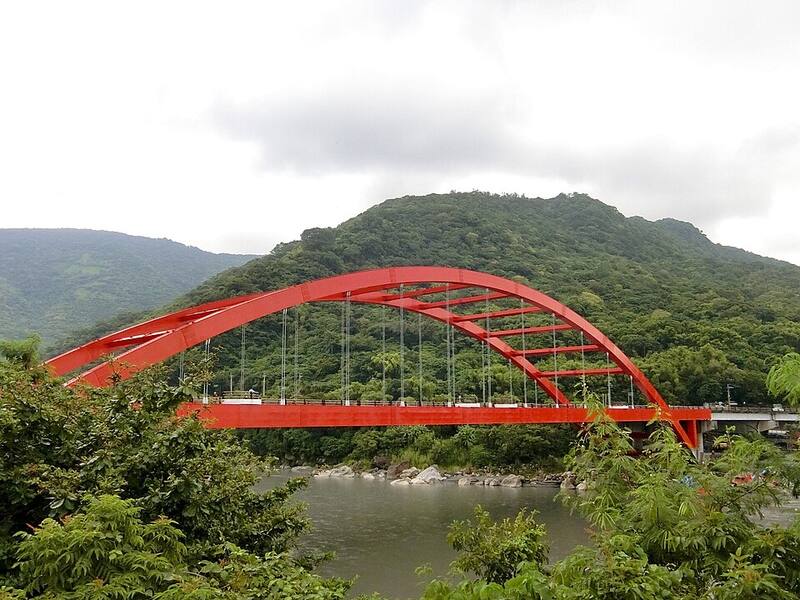
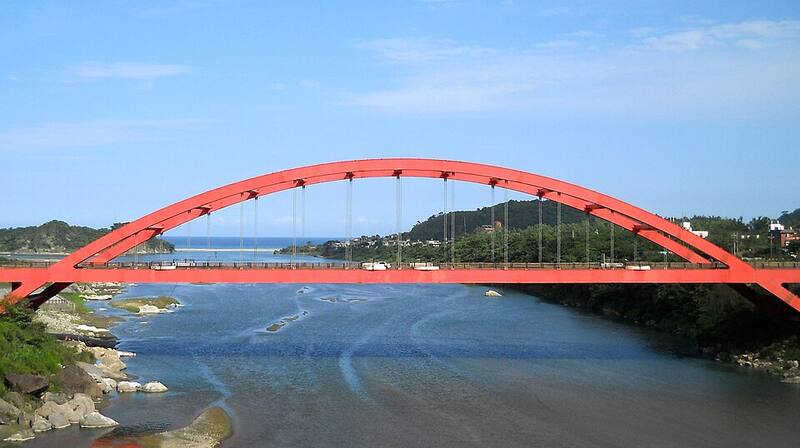
11:30–12:00A red arch bridge across the mouth of the Xiuguluan River on the east-coast road, a landmark of Fengbin in Hualien.
Highlights
- A red arch against green hills
- River and Pacific meet under the bridge
What to do
- Photograph from the bridge approach
- Walk across and look at the river mouth
- See where the river-rafting trips end (rafting needs a separate booking)
Shitiping
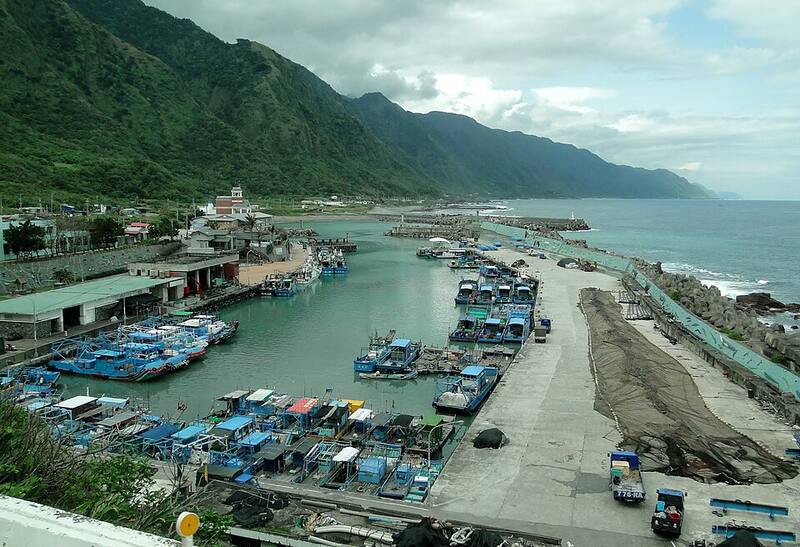
12:00–13:00A stretch of Hualien’s Fengbin coast known for its wave-cut platforms and rocks, with a path along the shore.
Highlights
- Wave-cut platforms and reefs give the coast its character
- Waves hit the rocks: stay careful near the edge
What to do
- Walk a section of the path
- Look at the platforms and rocks
- Eat seafood by the fishing harbour
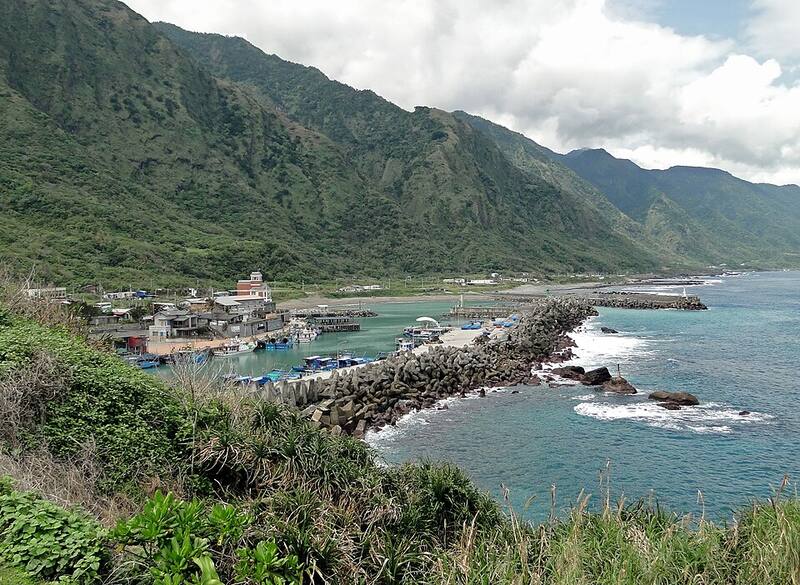
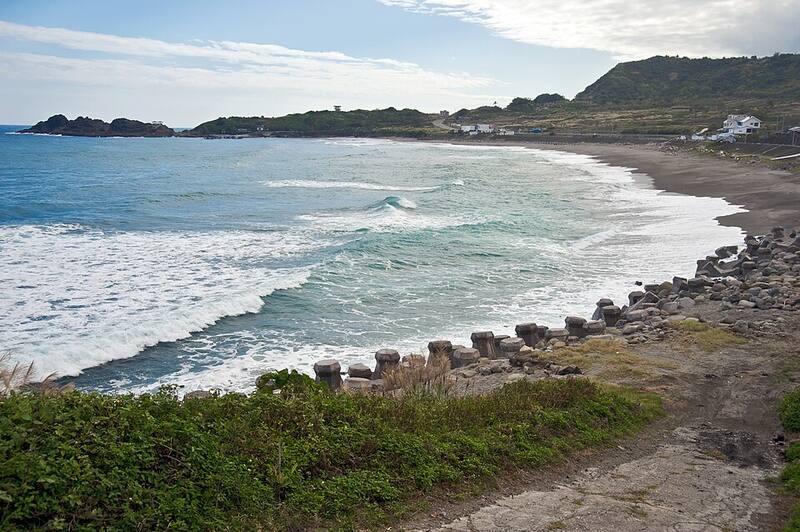
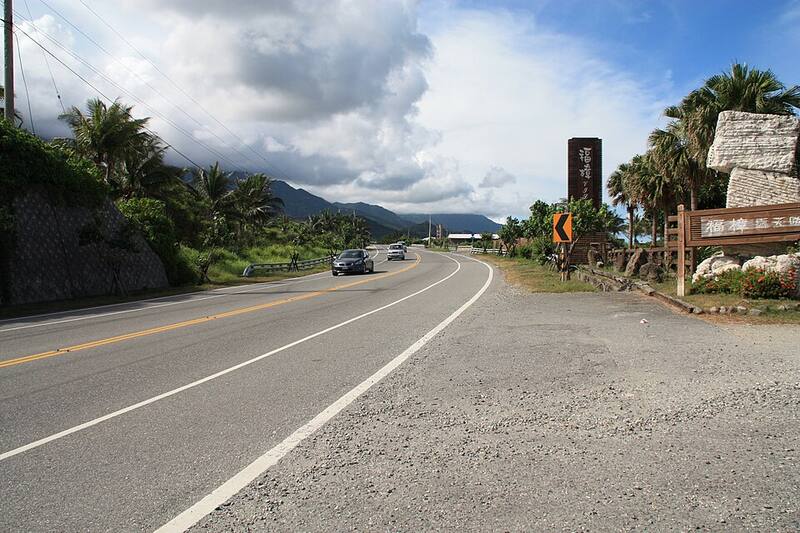
Provincial Highway 11 (East Coast Road)
08:30–16:30 (along the route)The coast road from Taitung to Hualien, with the Pacific on one side and the Coastal Mountain Range on the other. Good surface and little traffic, it is the most scenic stretch of the whole drive.
Highlights
- Sea and sky all the way, and you can stop almost anywhere
- Few petrol stations, so fill up in advance
What to do
- Stop wherever you like to photograph the sea
- Choose stops by your energy
- Reach Hualien before dark
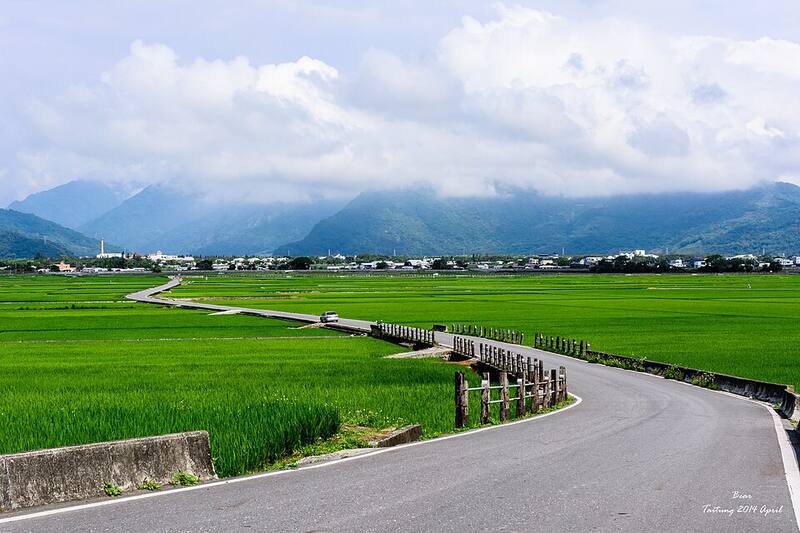
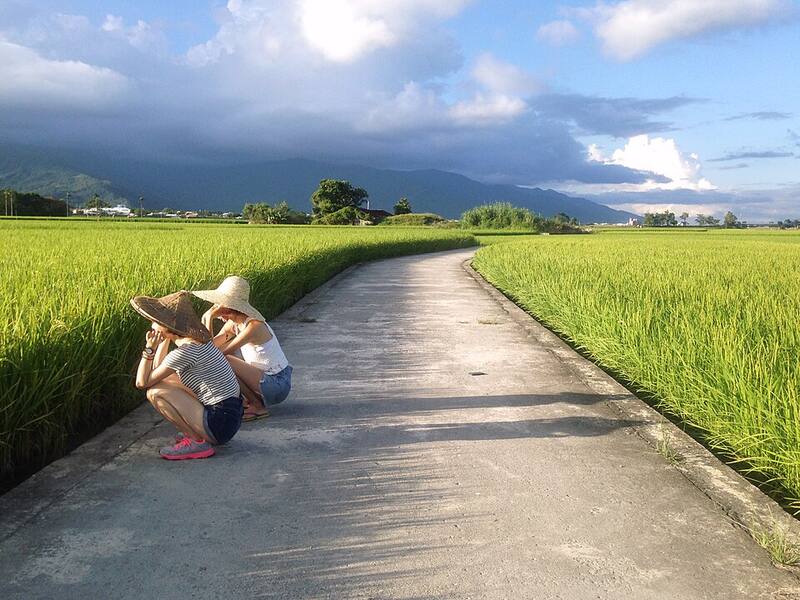
Chishang (Alternative: East Rift Valley)
alternativeThe rice country of the East Rift Valley, with wide paddies and the straight Brown Boulevard, an alternative to the coast road if you would rather see fields than sea.
Highlights
- Paddies with mountains behind
- A straighter road with more traffic, but no sea view
What to do
- Cycle or walk Brown Boulevard
- Eat a Chishang lunch box
Day 8 · Taroko, then the Suhua highway to Taipei
Hualien → Taroko → Suhua Improvement Highway → Yilan → Hsuehshan Tunnel → Taipei
- 07:30Leave Hualien for Taroko
- 08:00Shakadang Trail
- 09:30Swallow Grotto
- 10:45Eternal Spring Shrine
- 12:00Leave on the Suhua Improvement Highway to Yilan
- 14:00Lunch in Yilan
- 15:00Through the Hsuehshan Tunnel to Taipei
- 16:30Check in at Taipei; the car stays until the evening of day 9, so confirm the hotel has parking
Shakadang Trail
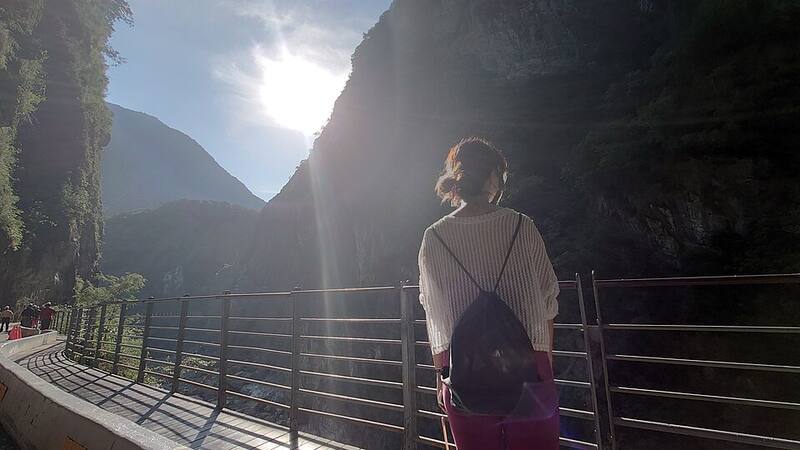
08:00–09:00A gorge trail in Taroko National Park along the Shakadang River, with a cliff on one side and the stream on the other. It is flat and takes less than an hour for the stretch most people walk.
Highlights
- Blue-green stream water
- A flat trail, ideal for a morning walk
What to do
- Walk some of the trail and turn back
- See the marble walls of the gorge
Swallow Grotto
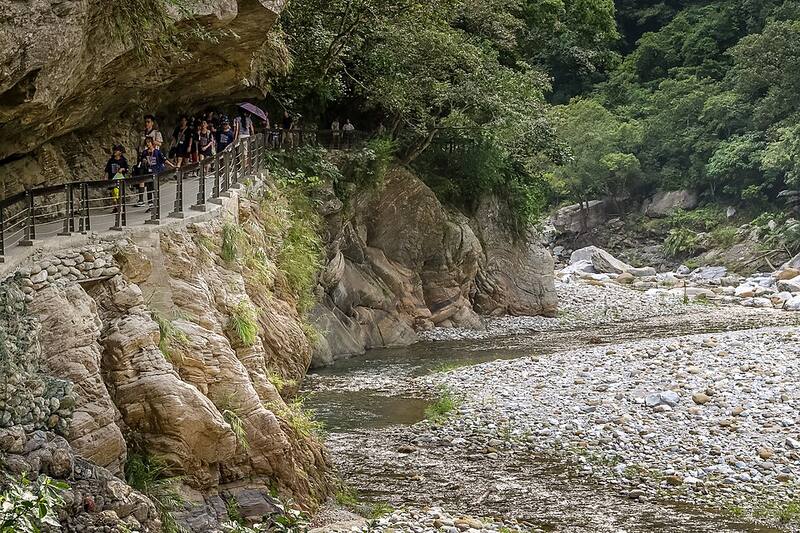
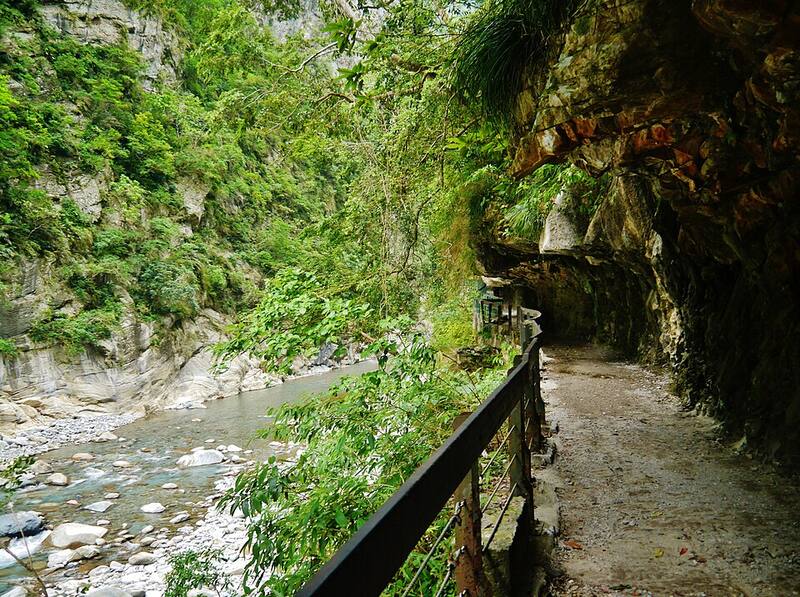
09:30–10:15A cliff stretch of Taroko Gorge pocked with potholes, said to be where swallows nest, hence the name.
Highlights
- Cliffs with potholes
- A path cut into the rock wall with great views
What to do
- Walk a section of the path
- Photograph the gorge and the rock walls
- Wear a hard hat if required that day
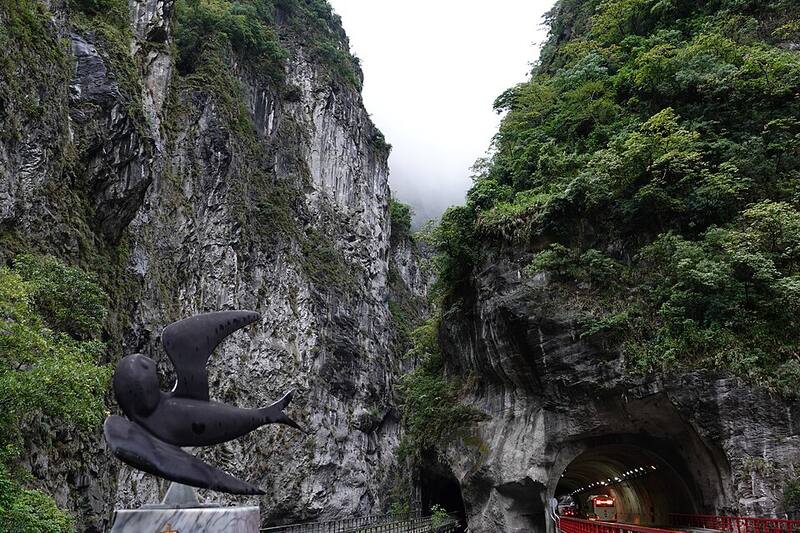
Eternal Spring Shrine
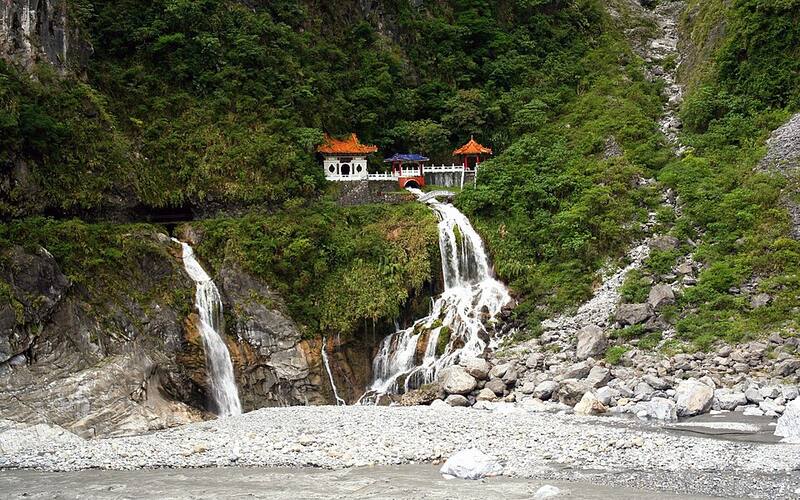
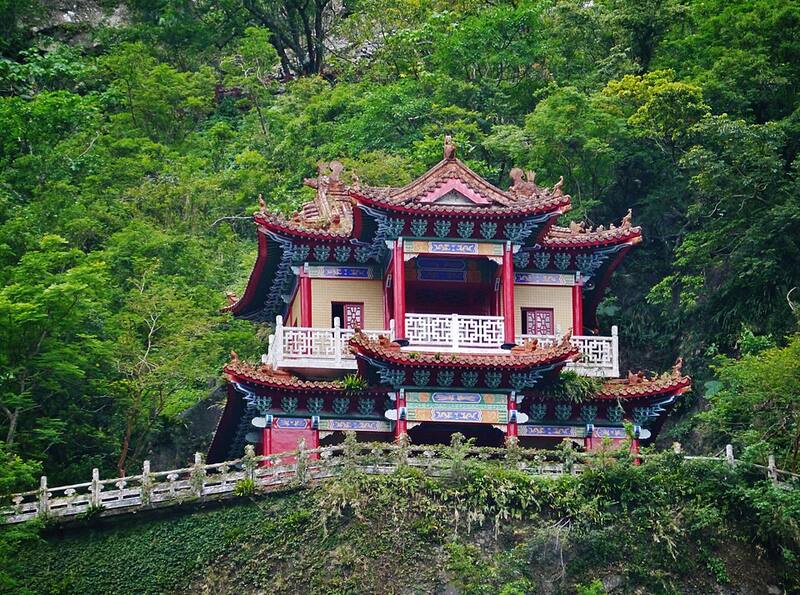
10:45–11:30Built to commemorate those who died building the Central Cross-Island Highway: a Chinese-style shrine on the rock face, with a waterfall below.
Highlights
- Shrine, waterfall and gorge in one frame
- Built on the mountainside, so there are some steps to climb
What to do
- See the shrine and the waterfall below it
- Photograph the whole shrine against the gorge
Suhua Improvement Highway
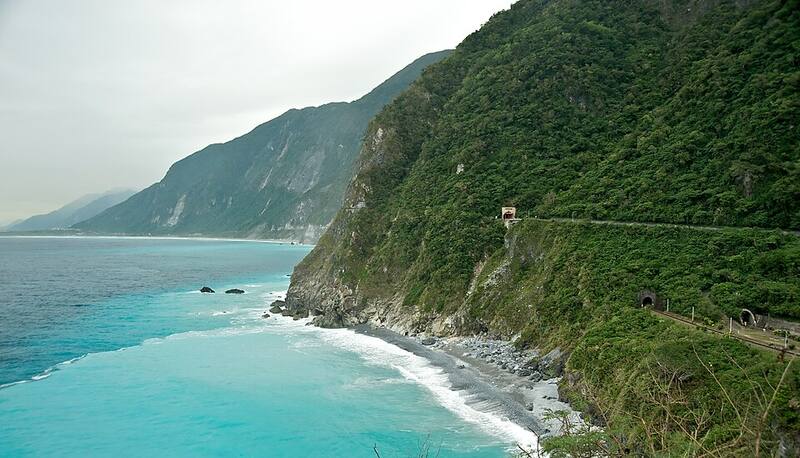
12:00–14:00 (along the route)The improved Suhua road between Hualien and Yilan, mostly tunnels and bridges, now the main route back to Taipei along the east coast.
Highlights
- Many tunnels and a stable surface
- Closed by rockfall or heavy rain
What to do
- Drive and watch the sea cliffs
- Rest and eat at service areas
- Check the highway bureau’s live traffic before you leave
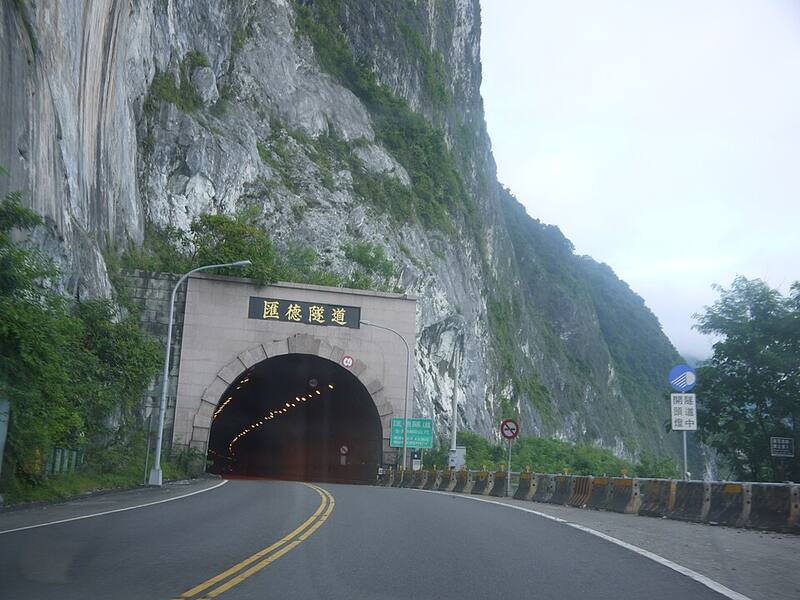
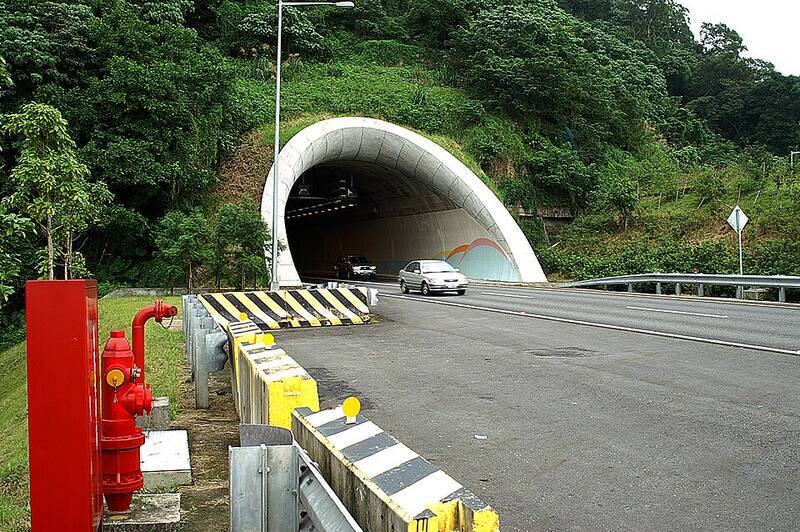
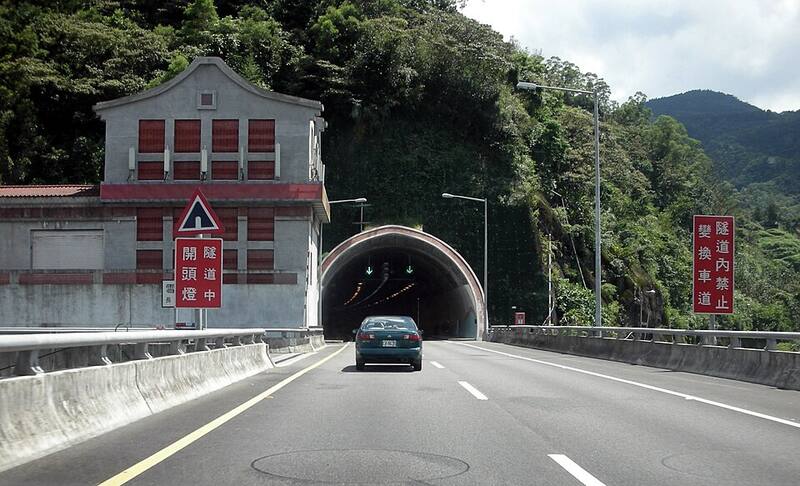
Hsuehshan Tunnel
15:00–16:30 (Yilan to Taipei)A long tunnel between Yilan and Taipei. Once through, you are back in the Taipei basin.
Highlights
- Tunnel all the way: watch your speed limit
- The exit is in Pinglin and then Xindian
What to do
- Keep your distance and do not change lanes
- Read the signs carefully in the tunnel
Day 9 · A spare day, then fly home in the evening
Taipei → Taoyuan Airport (return the car)
- 09:00Check out; leave luggage at the hotel
- 09:30Spare time: catch up on anything you skipped, or wander Taipei
- 17:30Leave Taipei for Taoyuan (about 1 hour)
- 19:00Return the car at the branch near Taoyuan Airport (ask when it closes)
- 20:20Check in, about 3 hours before departure
- 23:20Scoot TR893 departs; arrives at Changi at 04:00 the next day
You land in Singapore at 04:00 the next morning, before the MRT opens, so plan how you will get home.
Self-drive essentials
Rental: pick up in Kaohsiung, drop at Taoyuan
One-way rentals (“pick up here, return there”) are offered by the main rental companies in Taiwan, such as Hotai (和運) and Car Plus (格上). Common rules: pick the pick-up and drop-off branches when you book; most companies need at least a day’s notice, and a late change of drop-off is usually charged an emergency fee; the service is often suspended at Lunar New Year and on public holidays. Fees and waivers change every year, so use the figure on the company’s own site on the day you book; none are quoted here.
Licence and documents (mainland Chinese passport holders)
Taiwan’s rule is that the person driving holds a domestic or international driving permit. A mainland Chinese licence cannot be used to drive or rent in Taiwan; it must be converted to a Taiwanese licence, which is not realistic for a visitor. The usual combination is a Singapore licence plus a Singapore-issued IDP, plus passport and credit card, and the IDP is only valid when shown with the home licence.
The grey area is a mainland passport used with a foreign licence and an IDP: the rule exists, but most public information is several years old and counters do not always apply it the same way. Ask the rental company before you book, stating the passport type and licence type, and whether they accept them.
Driving in Taiwan
- Drive on the right, steering wheel on the left, the same as mainland China and the opposite of Singapore.
- Scooters everywhere: they come out of both sides at junctions and lights; check mirrors and blind spots before turning.
- Many speed cameras and section-speed cameras; read the signs. Fines are paid by the rental company and charged to your card.
- Navigation: Google Maps is enough; download offline maps for mountain sections with weak signal.
- Insurance: on top of basic cover, add the waiver or full cover; scrapes are likelier on mountain roads.
- Fuel: petrol stations are sparse on the east coast and the South-Link Highway; refuel whenever the tank is half empty.
Practical information
Transport (first half)
In the city, take the MRT and buses with one stored-value card (such as EasyCard), which also works on most convenience stores. Between cities use the TRA or the high-speed rail: the HSR is fast but costs more, so book ahead on the HSR website or app, especially around weekends and holidays; TRA timetables are on the TRA website.
Entry and documents
Entry rules depend heavily on passport and nationality: some are visa-free, some need a separate entry permit. Check the National Immigration Agency before you travel, and do not copy someone else’s experience.
Season and clothing
You can go all year; autumn (October to November) is usually the most settled. At the turn of summer to autumn watch typhoon alerts; typhoons close the east coast and the South-Link Highway, so keep a spare day in the self-drive half.
Internet and language
Rent a pocket WiFi or buy a local SIM/eSIM at the airport. Most chain shops and sights can communicate in Chinese, and signs are mainly in Chinese.
Where to stay
In Taipei stay around Zhongshan, Ximen or Zhongxiao Fuxing, along the MRT; in Taichung, near the station or the Chao-Ma area; one night each in Tainan and Kaohsiung. In Taitung and Hualien, book hotels with parking, and check whether parking is charged.
Pace
This plan is hardest on day 4 (Sun Moon Lake plus a night HSR) and day 6 (Kaohsiung to Taitung). To slow down, drop Sun Moon Lake first; on day 6 do only one or two stops in Kenting. To add, spend an extra night in Taitung or Hualien and take the East Rift Valley slowly.
The first half covers the best-known western cities on public transport, and the second half puts the car in your hands for the hardest-to-reach half of Taiwan. As ever, adjust it to your own energy and taste: a guide is meant to be used, not copied.